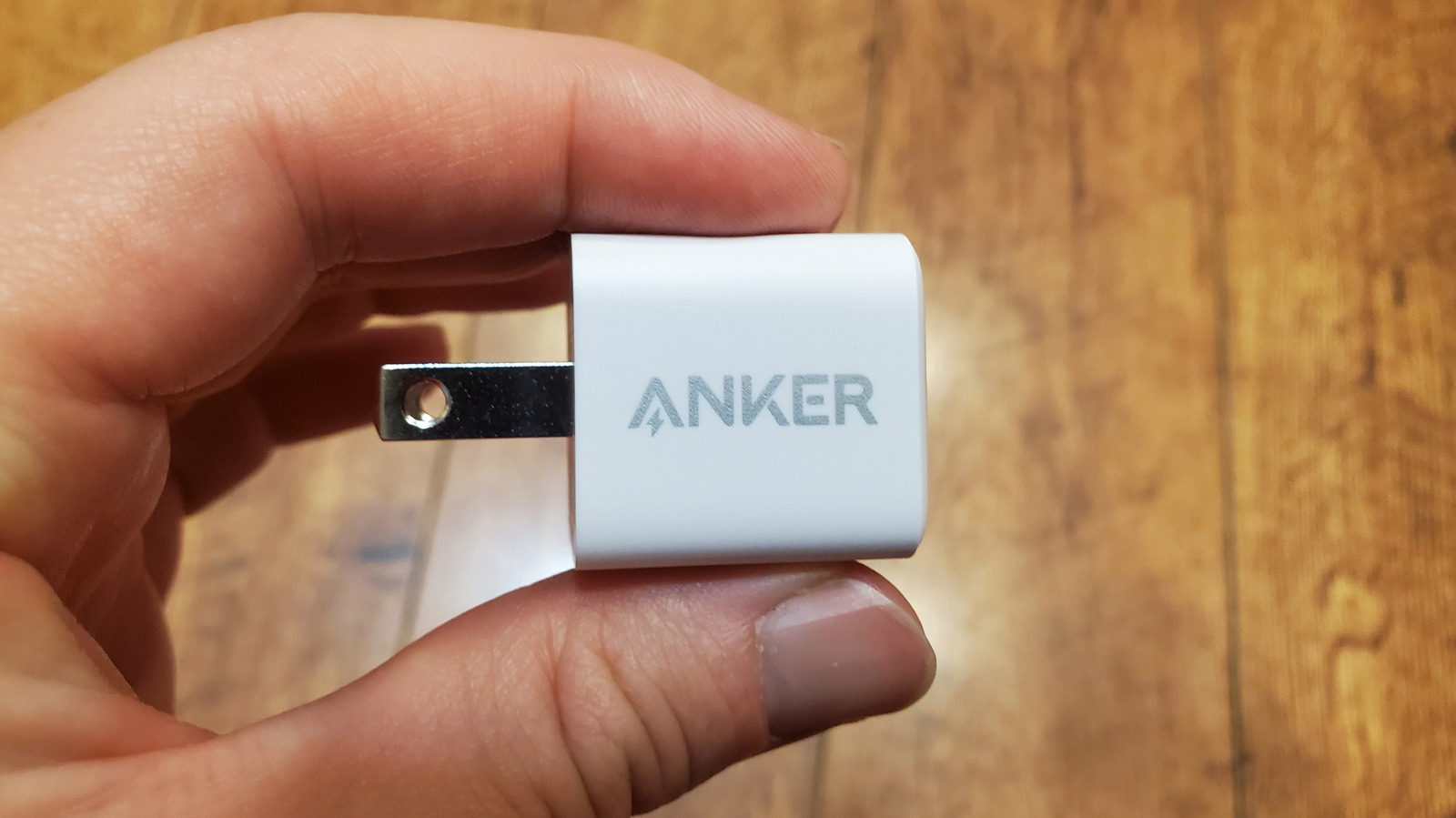
Smith Collection/gado/Getty Images We may receive a commission for purchases made through links. When it comes to tech accessories, few brands stand out as much as Anker. Anker is a Chinese-owned consumer electronics company known for its high-quality charging accessories. Some of its popular products include the Anker Prime Power Bank, a 26,500 mAh power bank with two USB-C ports that can output a maximum of 140W each and can charge two MacBook Pros at once. Unfortunately, it costs $229.99. Another popular Anker device is the Anker Prime Wireless Charging Station (3-in-1), which offers 25W of ultra-fast MagSafe wireless charging for iPhone, Apple Watch, and AirPods, but costs $149.99. If you’re looking for something cheaper to add to your kit, Anker offers more affordable devices. When creating a tech kit, there’s no need to splurge on expensive gadgets. For example, Anker has inexpensive USB adapters that help you bring Gigabit Ethernet to devices without Ethernet ports or connect USB-A cables and devices to USB-C ports. You also have devices that allow you to add more USB ports to your computer, charging cables that can deliver exceptionally high charging currents, and even power strips that protect your delicate or expensive devices from sudden power surges. These are small but functional devices that cost less than $25. Anker USB-C to Ethernet Adapter For a long time, the biggest advantage Ethernet had over Wi-Fi was speed. However, Wi-Fi 6 and Wi-Fi 7 can exceed speeds of 1 Gbps in ideal short-range scenarios. What you want when you physically connect your device to the router using an Ethernet cable is the reliability that Ethernet over Wi-Fi offers. It is less prone to signal loss and interference, at the cost of losing comfort and mobility. However, there are devices that do not have Ethernet ports, including ultrabooks, phones, and tablets. You can bring Ethernet to them with the Anker USB-C to Ethernet adapter for $16.99. The Anker USB-C to Ethernet adapter has an Ethernet port that supports Gigabit Internet. An example of popular devices that lack an Ethernet port is the modern MacBook Pro. You can simply plug it into the MacBook and instantly get the stable Internet that only Ethernet can provide. You can even use it with phones, like iPhones (iPhone 15 and later) and Samsung Galaxy phones. It is best used for activities that experience significant lag when too many devices congest the network, such as competitive online gaming, downloading large files, and streaming 4K or 8K video. Anker USB-A to USB-C Adapter If you have older devices that still use a Type A connector, such as older flash drives, receivers, dongles, mice, keyboards, and gamepads, then the Anker USB-A to USB-C adapter can help you connect them to newer devices. Modern MacBook Pros, Microsoft Surface Pros, and Dell XPSs, for example, don’t have a built-in USB-A connector (only USB-C). It’s also helpful when you have a USB-C wall adapter, like the Anker Nano Phone 30W Fast Charger that costs $15.99 and a USB-C to USB-A charging cable. Plus, for $12.99, you get two of them. Just be sure to find a safe place to store them in your kit, as they are small and easy to misplace. What may also be useful for your kit is the opposite of the Anker USB-A to USB-C adapter: a USB-C to USB-A adapter. This can allow you to connect new devices to older devices and chargers, like the Anker 12W USB Charger, 2-Pack, that don’t have USB-C ports. Unfortunately, Anker does not have this type of adapter, but it is worth purchasing from another brand that does. Anker 5-in-1 USB-C Hub Amazon The Anker 5-in-1 USB-C Hub is another useful accessory if you have several older USB-A devices that you want to connect to a laptop with few or no USB-A ports. It costs $19.99 and has two USB-A 2.0 ports and one USB-A 3.0 port. One of the biggest differences between the two is that USB 2.0 ports have a data transfer speed of up to 480 Mbps and a maximum output power of 2.5 W, making them fast enough for most data transfers from flash drives and for charging low-power devices. USB 3.0 ports have transfer speeds of up to 5 Gbps and power output of up to 4.5 W. They are suitable for more power-hungry devices such as external hard drives, HD cameras, and phones (although charging will be slow). Depending on the situation, you may want to use a USB 2 port instead of USB 3 and vice versa. The USB hub has one USB-C port and is a 90W pass-through port for charging laptops only. You can’t transfer data, power peripherals, or charge your phone. It also has an HDMI port, bringing the total number of ports to five, supporting 4K video at 30 FPS. It’s a big help for ultrabooks, as they typically lack an HDMI port, and you can even use it with a MacBook Air if you have an HDMI cable instead of a Thunderbolt cable. Anker USB-C Charging Cable Amazon Just because you have a fast charger that can output 30W doesn’t mean the USB cable you’re using is designed to offer it. That’s where the Anker 240W USB-C Charging Cable comes in, and it costs $22.99 for the 6-foot-long cable. Anker claims it can charge an iPhone 16 from zero to 50% in 30 minutes using a 30W charger. If you have a charger rated at 40W or higher, you can charge an iPhone 17 up to 50% in 20 minutes as long as it supports USB Power Delivery (USB-PD), like the Anker PIQ 3.0 USB-C 40W 2-Port Charger. If you have a charger that can deliver up to 120W, this cable is ideal for charging something like a 14-inch M1 MacBook Pro or later. One of the best features of this Anker USB-C cable is that it is made of nylon braiding. This makes the USB cable more resistant to wear and tear than the typical material of most cables. Bio-based braiding is made from plant-derived materials, making it environmentally friendly and has a lifespan of 10,000 bends. And at 6 feet long, you can conveniently plug it into an outlet across the room without worrying about any power loss like you would with longer cords. Anker 10-in-1 Power Strip with 300J Surge Protector Every person who uses a lot of technology at once, including a desktop computer, monitor, phone, and audio equipment, can be severely limited by a single outlet. With the Anker 10-in-1 Power Strip with Surge Protector, which costs $19.99, you can connect all your devices. It has six power outlets and four USB ports: two USB-C ports and two USB-A ports. Only the first USB-C port supports USB-PD fast charging, with a maximum power of 20W that can charge an iPhone 15-50% in 30 minutes. The other USB-C port supports 15W, but when you use both ports, fast charging is not available. The two USB-A ports have a maximum power of 12W. But you don’t buy a power strip just for the extra plugs and charging ports. You buy it for the protection it offers your devices against sudden surges that can damage expensive electronics. This power strip can protect against a surge of up to 300 J of electrical energy. In addition to that, it also protects against overvoltage, overcurrent, overtemperature and short circuits, while offering grounding protection and fire resistance. Additionally, in case the power strip malfunctions and damages your device, Anker will cover the damages up to $200,000. How We Chose These Devices Anker Charlielesmana/Shutterstock When choosing devices, we decided to skip obvious options like faster chargers and power banks. Those are things that most technicians already know they need and may have already added to their kit. Unfortunately, Anker doesn’t have USB-C power banks that cost less than $25. The closest is the Anker 10,000 mAh Portable Power Bank that costs $25.99, which is just outside the $25 range, but still affordable. The goal here was to help you find devices you might otherwise overlook when beefing up your tech kit. However, one thing these devices absolutely needed was a good user rating on verified purchases on Amazon. We specifically choose products that have a rating of four or more stars, with thousands of user ratings. This indicates that they are a solid product. Did you find this useful? Join our free weekly newsletter on smart tech shopping and products to avoid. Subscribe now