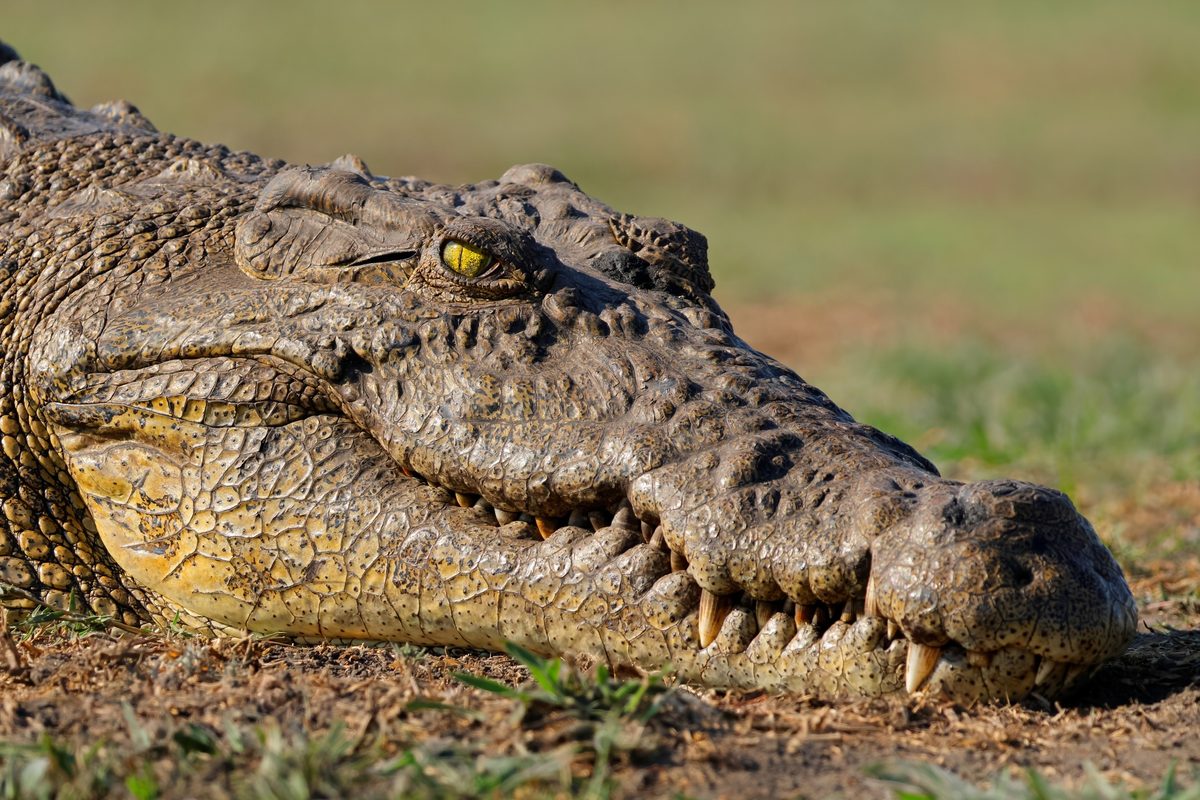
Over the past 100 million years, crocodiles and their close relatives (including alligators, alligators, and gharials) have survived dramatic changes in climate and habitat. They have even suffered mass extinctions, including the event that wiped out the dinosaurs 66 million years ago. Yet despite all this, their brains have changed very little, according to new research. Published in the Journal of Anatomy, the study suggests that these predatory reptiles developed an extremely effective brain design tens of millions of years ago, when they began to evolve. In fact, the design was so successful that there was no real need to change it. Using advanced CT technology, researchers at the Swedish Museum of Natural History were able to look inside the skulls of modern crocodiles and their extinct relatives. They examined 43 species, including living species – such as the American alligator (Alligator mississippiensis), the Yacaré caiman (Caiman yacare) and the Nile crocodile (Crocodylus niloticus) – and extinct species. The study examined 43 extant and extinct species, including the American alligator. Credit: BlackBoxGuild/Getty Images The team made an interesting discovery about how closely the extinct species were related. In the past, scientists have found it difficult to do this because the fossil skulls of these long-lost reptiles look so similar. But by using CT scans to study the structures hidden inside the skulls, researchers found key differences in the brain case and sensory organs that helped them differentiate between species that seemed almost indistinguishable on the outside. Understanding the internal structure of the skulls of extinct reptiles also meant that the study authors were able to determine how much the basic shape of their brains and inner ears has changed over time and how they compare to extant species. It turns out that the brains of crocodiles and their close relatives have remained virtually unchanged. Co-author Paul Burke says the discovery helps explain how these reptiles have survived for more than 100 million years, while other vertebrate animals that once existed alongside them succumbed to mass extinctions and other major environmental changes and events. Cover image: EcoPic/Getty Images More about crocodiles and alligators