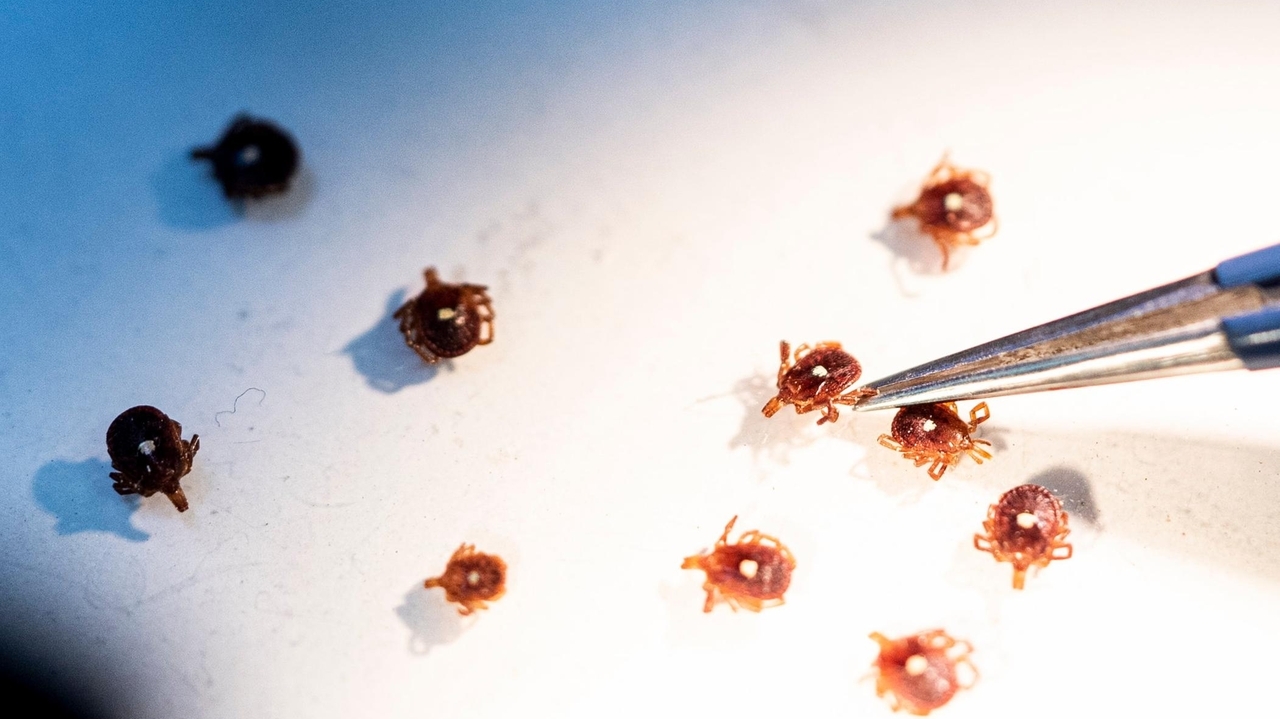
A Riverhead woman is being treated for tularemia, the rare disease known as rabbit fever after being bitten by her cat, an infectious disease doctor at Peconic Bay Medical Center said Wednesday.This would be the fourth such case in Suffolk County this year. The county Health Department confirmed last week there were three probable cases of tularemia.Tularemia can be transmitted to people by ticks and flies from sick wild rabbits, rodents and other small mammals. Outside cats can be infected by ticks or sick animals.Dr. Michael Huang, chief of infectious diseases at Peconic Bay Medical Center, said the woman, who is over 65, came into the emergency department with a cat bite several days ago.She was trying to give the cat medication when it bit her finger. The cat had been outdoors.”Her finger looked horrible,” Huang said. “We gave her medications to treat the cat bite and sent her home. But then she was called back after the blood cultures were positive” for the bacteria that causes tularemia. The cat died from the disease.The woman is being treated at Peconic Bay Medical Center in Riverhead and getting better, he said.Huang said he has treated two other people, both of whom work in landscaping, for tularemia this year. Symptoms of tularemia include high fever, swelling of the lymph nodes and sores where the person was bitten. Lone star ticks and American dog ticks are among the species that transmit the disease.Cats are “notably susceptible to tularemia” according to a 2024 study. Cats can get rabbit fever by being bitten by an infected tick, or through eating or coming in contact with an infected rabbit or other small mammal. Outdoor, young adult cats are at a higher risk of being infected because of their “frequent exposure to ticks and small mammal reservoirs.””Theoretically, the cat may have bitten a rabbit or hunted a rabbit that was already sick,” Huang said.There were four cases of tularemia in Suffolk County in 2024, three in 2023 and one in 2022, according to state Health Department data. Nassau County had one case in 2023 and has had no cases so far this year. Data for last year is not yet available, officials said.The Centers for Disease Control and Prevention reports the number of tularemia cases across the United States ranged between 150 and 200 over the last five years.People can also contract the illness by having skin contact with infected animals, drinking contaminated water or inhaling contaminated aerosols or agriculture and landscaping dust, the CDC said.Tracey Detmer, of Riverhead, told Newsday last week her 9-year-old son, John, still has low energy and stamina after being diagnosed with tularemia in May.The boy developed a large lesion on his head where he was bitten by a tick in April. He underwent two rounds of antibiotics to battle the infection, which caused fever, pain to his legs and swollen lymph nodes in his neck.Doctors “said it just takes time” to fully recover, Detmer told Newsday. during a recent interview.Check back for updates on this developing story.
Lisa joined Newsday as a staff writer in 2019. She previously worked at amNewYork, the New York Daily News and the Asbury Park Press covering politics, government and general assignment.