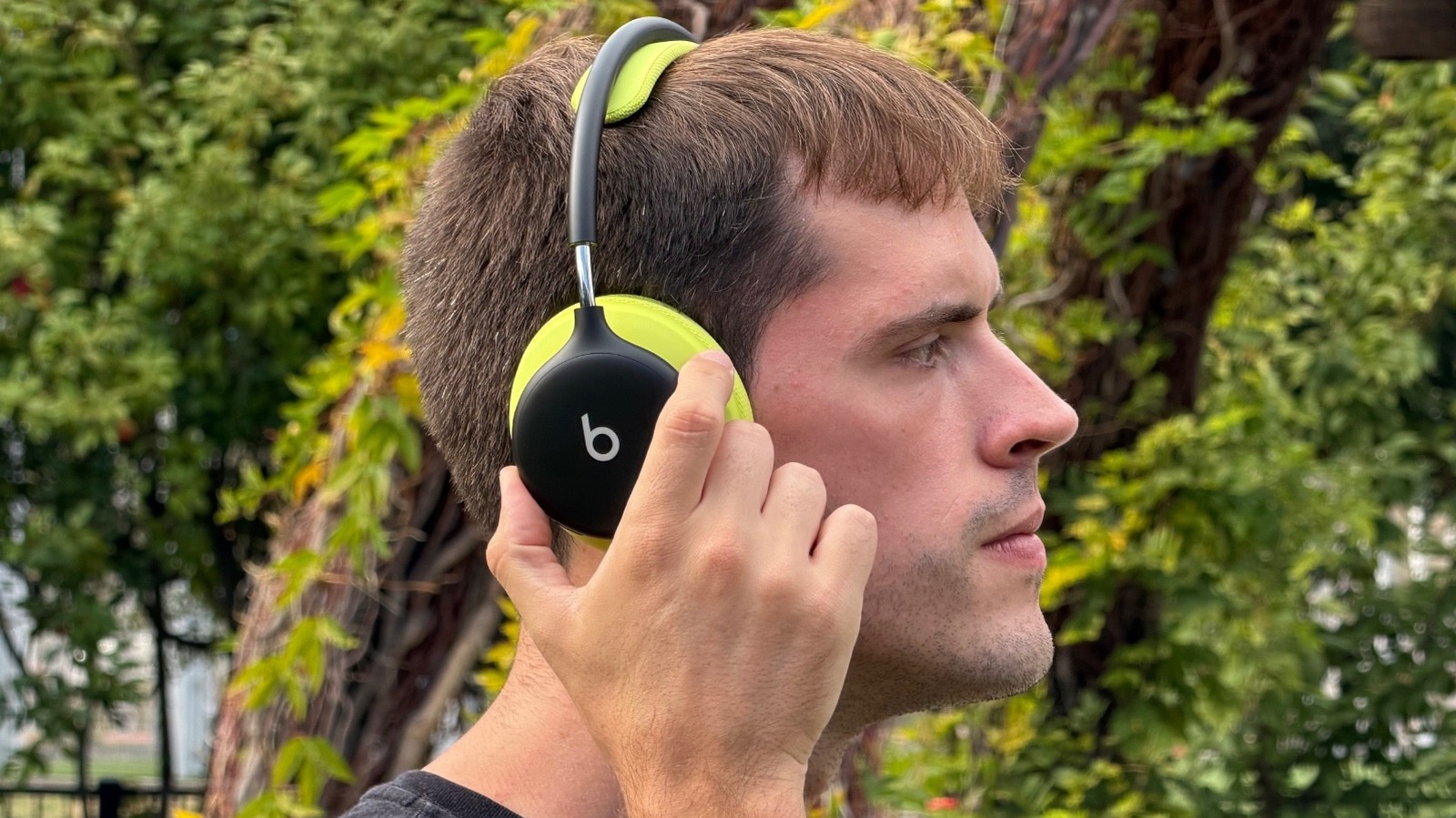
José Adorno/BGR We may receive a commission for purchases made through links. Apple’s AirPods line probably offers the best headphone experience you can have if you own an iPhone and several other Apple devices. They connect immediately with all your devices, transition seamlessly between each other, and sound good too. Simply put, they just work. Apple’s lineup starts with the $129 AirPods 5 and goes all the way up to the expensive and premium $549 AirPods Max 2. As popular as AirPods are, they’re not for everyone. Some people find them uncomfortable or don’t like the design, while others can’t afford Apple’s price. The good news is that everyone has many options. Unlike the best workout earbuds for those who don’t want Galaxy Buds, it gets more interesting when we talk about Apple, because the company’s customers often want that “Apple experience.” If you want to stay in Apple’s ecosystem, its Beats subsidiary’s line offers sports options and many of the same software features. Or you can opt for products from other companies, including loop headphones like JLab’s Go Sport+, which are also very affordable. With this in mind, below is a list of BGR sports headphones collected that were recently manufactured and, in most cases, that we have had experience with. Those we haven’t tried, we rely on options praised by other reviewers and real-life customers. There are great options for different types of people and we’ll highlight why it may make sense to choose them over AirPods. Powerbeats Fit José Adorno/BGR Launching in late 2025, Powerbeats Fit is a rebranded Beats Fit Pro, making them part of the Powerbeats family while also addressing some of the complaints some users had with the previous generation. First of all, the Powerbeats Fit headphones are aimed at athletes and people who like to be active; They feature secure-fit wing tips that slide into the top of your ear to lock in place. To make them more comfortable, allowing me to run half marathons in them without problems, the company said it made the wingtip 20% more flexible than the previous generation while also offering more pads in the box, from XS to L. During my testing, the Powerbeats Fit earbuds were great for running and strength training. They were also quite comfortable, even for a long flight. Sound-wise, they are similar to the first-generation AirPods Pro but with more prominent bass, which is great for working out. They also feature Apple’s H1 chip and a patented layered diaphragm driver and dual-chamber housing to make songs, especially those from Spatial Audio, shine. Compared to Apple’s AirPods, these $200 Powerbeats Fit earbuds are a great option for anyone who doesn’t like the design of AirPods. It still has many of the benefits, including seven hours of continuous music playback and up to 30 hours with the charging case, as well as IPX4 water and sweat resistance, while offering eye-catching color options. Sony WF-1000XM6 Sony’s WF-1000XM6 is another great sports competitor to Apple’s AirPods. The $330 headphones get good reviews from critics and fans for their class-leading noise cancellation, customizable sound, and comfort during extended use. Using the QN3e processor and eight microphones (four in each earbud), it reduces background noise by 25% compared to the previous model. The 8.4mm drivers support LDAC high-resolution audio and a 10-band equalizer in the Sony Sound Connect app, something the AirPods don’t have. If you’re running outdoors and receive a call, its bone conduction sensors and AI noise reduction can keep your voice clear even in noisy situations. These headphones are particularly good for the gym because they have a redesigned ergonomic shape and four foam tip options. They also have a ventilation structure that reduces internal body noise so that the headphones do not bother you while you run. Sony’s WF-1000XM6 also features an IPX4 rating, which is ideal for sweat and light splashes during more intense workouts. These headphones can be a great option over the AirPods Pro, because Sony prioritizes audio customization and cross-platform versatility, which means they pair very well with iPhone and Android devices. The different designs and foam tips also help, especially if the current AirPods Pro design hurts your hearing. Overall, the Sony WF-1000MX6 are a good alternative option. Powerbeats Pro 2 José Adorno/BGR Released in early 2025, the $250 Powerbeats Pro 2 were Apple’s first headphones with heart rate monitoring. While the technology eventually expanded to the AirPods Pro 3 as well, the flagship workout earbuds have been revamped from their originals to add greater comfort, more health data, and richer sound. Choosing Powerbeats Pro 2 over AirPods is all about design. They have a nickel-titanium alloy ear hook that is 50% smaller than the predecessor, providing greater comfort and stability while you workout with these headphones. For example, I had to constantly twist the left earbud of the original Powerbeats Pro because it came loose during my runs, which didn’t happen with the new ones. With the same H2 audio processor as the AirPods Pro 2 and AirPods Pro 3, the sound of these headphones can be just as good. One drawback is that all Beats products have slightly more prominent bass. Still, nothing compares to the unbalanced (but popular) sound of their first products in the early 2010s, as everything sounds more tuned, but with a bass kick ideal for workouts. Thanks to the heart rate sensor on these headphones, which activate themselves when you start a workout from your Apple Watch or iPhone, you get two new heart rate channels in addition to the Apple Watch sensor, ensuring you always have a reliable reading of your workout heart rate. More than that, you can also use the Powerbeats Pro 2 as an Apple Watch replacement, if you think the smartwatch is bothering you during yoga, a strength training session, etc. These headphones last up to 10 hours on a single charge and up to 45 hours total. For Black Friday, the Powerbeats Pro 2 cost $180 on Amazon. JLab Go Sport+ Moving away from premium-priced products, JLab’s Go Sport+ earbuds are a great option for those looking for impressive battery life, app-based sound customization, and most importantly, notable value. JLab’s Go Sport+ are $17 on Amazon, down from an MSRP of $32, and are one of the best budget headphones for those who don’t mind fancy features and more premium audio. Instead, these are great, reliable headphones for commuting and exercise. Each earbud offers 9 hours of continuous playback and its charging case can extend that capacity up to 35 hours. Through the JLab app, users can customize touch controls, transparency mode, and toggle between three built-in equalizer presentations, in addition to creating their own sound profile. These headphones feature ergonomic over-the-ear sports hooks, like the Powerbeats Pro 2, to ensure they don’t come loose even if you run, jump or skip with them. One of the highlights of this product is the IP55 rating, which means it resists just as much sweat and dust as most everyday headphones. JLab also offers three sizes of gel ear tips, which can help you find a comfortable seal since these headphones do not offer ANC support. Compared to Apple’s AirPods, the JLab GO Sport+ prioritizes safe workout stability and affordability over premium ecosystem. They are significantly cheaper than any other headphones on this list, and the best thing about this product is that it has been consistently reviewed and highlighted by customers as the ideal budget option. Beats 360 Headphones José Adorno/BGR Last but not least, BGR includes the Beats 360 headphones as another option compared to the AirPods. While over-ear headphones are popular in gyms, the reason we chose another Beats product over other great headphones we reviewed this year, like Marshall’s Milton ANC or Sonos’ latest Ace Ultra headphones, is that the Beats 360 over-ear headphones are made for when you sweat and have an IPX4 rating for limited splashes. Most importantly, while the AirPods Max 2 can be used at the gym (I would never do that, but still), they are a $549 product whose headband and cushions will leave you completely disgusting after a few sessions. By comparison, it beats the $350 retail price on the company’s website. Beats is, in a way, Apple’s second bite into the AirPods Max market, offering earbuds that are made to be customized and have different cushioning materials for when you want to go the extra mile at the gym or just want to relax at home listening to your favorite tunes. The Beats 360 headphones are also lighter than the AirPods Max 2, and while they lack some of the fancy features of Apple’s H2 chip, like the ability to chat, they still pair instantly with Apple devices, feature built-in spatial audio, and have up to 32 hours of battery life with ANC on, which is more than enough for a week of trips to the gym and working out with the headphones. With the Beats 360, prices start at just $249 on Amazon, which is less than half of what the AirPods Max 2 cost, while still offering the true experience for gym rats. You can find our full review here. Methodology José Adorno/BGR BGR selected these five headphones as workout alternatives to the AirPods line because they were designed for active people, they sound as good or better than the AirPods, or because they simply get right to the point by offering great sound at a ridiculously low price. Unlike other lists, BGR decided to include three Beats products because Apple has been promoting Beats as its best sports offering for the past few years, although the company will continue to say that AirPods are its category-leading products. Still, there are options beyond Apple as well, and Sony and JLab have also made a name for themselves in the headphone department, for both high-end and low-end customers. That said, whatever your choice, BGR wanted to show you different workout headphone alternatives, including different shapes, technologies, and some bass hits so you can get through a HIIT session, a steep indoor run, or a CrossFit workout. Still, you’re more than welcome to continue using AirPods Max at the gym, but should you?