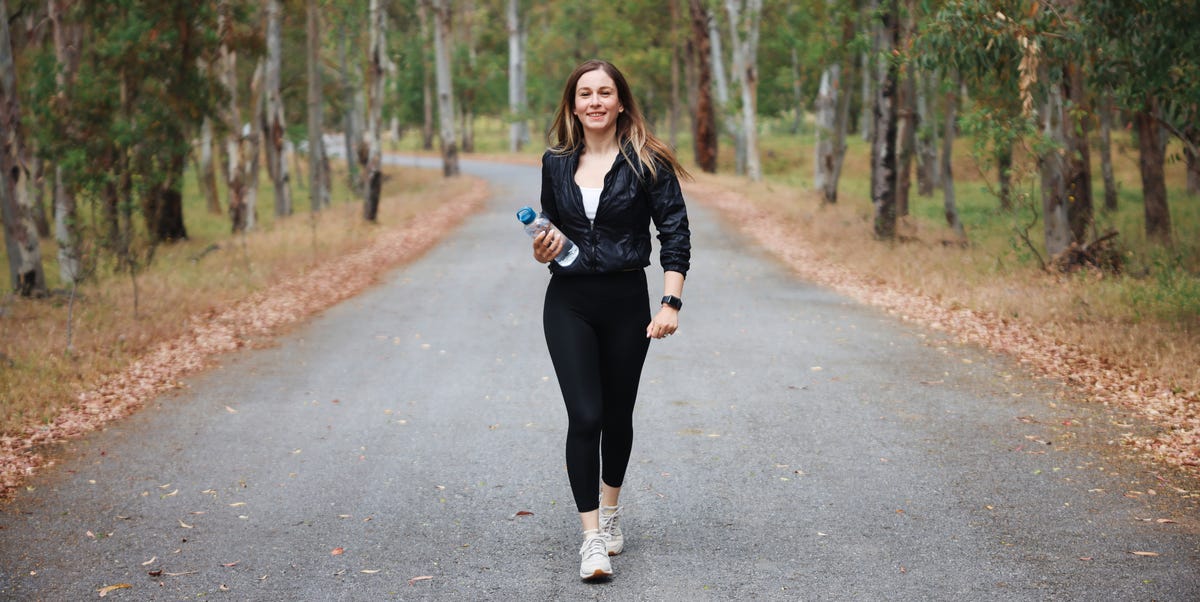
Many runners are also regular hikers, but when you walk, do you walk fast or do you walk at a slow pace? A lot could depend on how that question is answered, because recent research in the US has revealed that the speed at which people walk could be related to their likely longevity. The findings, published in the US journal Mayo Clinic Proceedings, appear to show a direct link between life expectancy and people’s walking pace, regardless of their BMI: women who identify as fast walkers enjoy a 15-year lifespan increase compared to slower walkers, and men who move faster live up to 20 years longer than their slower friends. During the study, they followed 475,000 participants over the course of seven years. (during which 12,800 of the subjects died), the researchers recorded each person’s body mass index (BMI) and self-rated walking speed. Scientists used the resulting data to map expected lifespans and the results were very interesting. They found that women who described themselves as fast walkers (moving at a pace of 4 mph or faster) typically lived to be 87 to 88 years old, compared to 72 to 85 years of age for slower walkers. In men, the difference was even more pronounced: Fast walkers survived to ages 85 and 87, while slower-moving men had a much lower life expectancy, between 65 and 81 years. As the research was conducted on an observational basis, without clinical testing, it is not possible to draw solid scientific conclusions about any cause-and-effect relationship that may exist between walking pace and longevity. Additionally, a tendency to move fast or slow could also be an indicator of overall health, rather than a reason to improve life expectancy. However, the benefits of running or walking for fitness and performance are well documented. The following two techniques can help put a spring in your step. Japanese Walking MethodThis interval-based exercise technique is a low-impact but high-intensity form of aerobic activity that involves always having one foot on the ground (walking, not running), which can improve your endurance levels, increase your strength, increase your resistance to injury, help you maintain better posture, and even lower your blood pressure. How to do it: Walk at a leisurely pace for three minutes, staying at around three out of 10 on the rate of perceived exertion (RPE) scale, with your heart rate. at no more than 40-50% of your maximum – you should be able to chat without getting out of breath. Shift up a gear and walk briskly for three more minutes, aiming for an RPE of about seven out of 10 and a heart rate of 70-85% of your maximum, with the conversation being a little more difficult to maintain. Repeat these sets at least four more times, for a total walking time of half an hour or more. The 12-3-30 Method This technique involves walking on a treadmill, so it required access to equipment or a gym, but is still fairly accessible and achievable for most people. How to do it: Start with a five-minute warm-up without incline. Next, set the incline of your treadmill to 12% and the speed to 3mph (that’s 3 miles per hour, for those using UK machines). Then walk for 30 minutes. Finish with a five-minute cool down, again without incline. Do you want to get fit in 2027? Runner’s World Club members have access to a library of over 100 coach-written training plans, for all goals and abilities. Become a Runner’s World Club member from just £1 to unlock access and enjoy many more exclusive benefits.