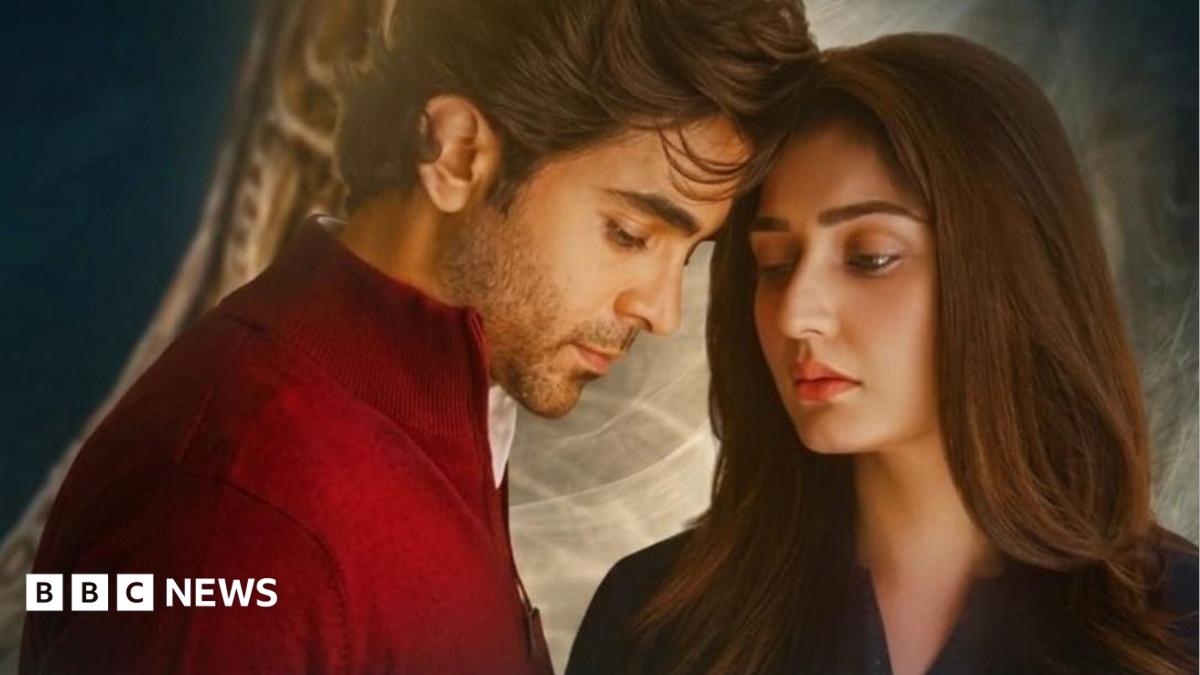
On April 22, 2025, militants killed 26 people, most of them tourists, in Pahalgam in Indian-administered Kashmir. India blamed Pakistan-linked militants; Islamabad denied involvement. In May, India launched military strikes against what it described as terrorist infrastructure in Pakistan and Pakistan-administered Kashmir. Four days of fighting followed before a ceasefire was announced. Amid widespread anger in India, the government asked streaming platforms to suspend content of Pakistani origin, while the social media accounts of several Pakistani celebrities were blocked. Fawad Khan’s much-awaited return to Hindi cinema with Abir Gulaal was foiled when the film was denied permission for release in India. Criticism of India’s military action by Pakistani artists further fueled anger. For much of last year, Indian audiences encountered Pakistan on screen largely through the prism of national security. In December, millions flocked to see Dhurandhar, Aditya Dhar’s espionage thriller, whose success inspired a fascination with gangsters, spies and the political intrigues of Karachi. But in recent months, a more familiar kind of fascination with Pakistan has begun to reemerge. Pakistani songs like Alfaaz have become very popular on Indian social media, while Dar-e-Nijaat, a story about marriage, heartbreak and domestic life, has found an enthusiastic audience. Written by celebrated Urdu novelist Umera Ahmed, the series revolves around the marriage of Zaryab (Durefishan Saleem), a young woman recovering from a romantic betrayal, and Abu Bakar (Sheheryar Munawar), a deeply religious man. Although the drama explores questions of faith and redemption, it is Abu Bakar’s tenderness toward his wife that has earned him perhaps the highest accolade in contemporary courtship vocabulary: a “green flag.” It was this enthusiasm for drama that prompted the organizer of one of the screenings in Bengaluru to plan an event at a private theater in his apartment complex. What he had envisioned as a small family gathering, he said, had been interpreted very differently once the invitation reached X. “My family was saying, Why should we cancel?” she said. But he finally decided to cancel it.