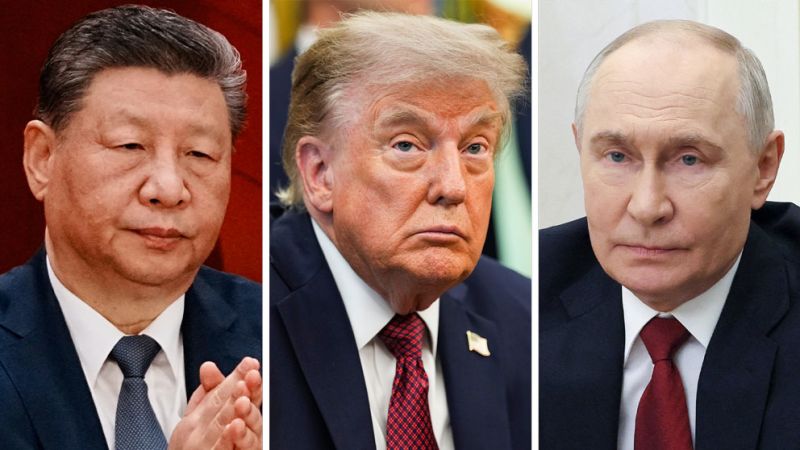
In their latest meeting, President Donald Trump and Chinese leader Xi Jinping appeared willing to step back from confrontation amid growing technological rivalry, and even potentially collaborate on safeguards for the development of AI. The Nvidia scandal could end all that. Days before Trump meets Xi in Shenzhen, the US Commerce Department increased restrictions on exports of American advanced semiconductors in an effort to further limit China’s access to them. The measures announced Monday will apply to overseas data centers that supply “significant volumes” of computing power to a list of countries, including China, and require new licenses for exports to Indonesia, Malaysia, Singapore, Thailand or Brazil, due to a “higher than normal risk” of chips being diverted or redirected to unauthorized buyers. The rule change follows growing controversy over Nvidia, the world’s largest supplier of advanced artificial intelligence chips, and its sales to a Singapore-based company Megaspeed that is under investigation for potentially diverting server shipments to China. Nvidia CEO Jensen Huang resigned last week after reports that he had an affair with Megaspeed executive Alice Huang, who U.S. officials suspected of being part of a Chinese intelligence operation. Beijing has called the accusations baseless and an attempt to smear China. But the scandal has bolstered U.S. efforts to strengthen controls on technology exports, which could derail recent efforts to ease trade tensions or even provoke retaliation from China. At a news conference on Tuesday, a Chinese Foreign Ministry spokesperson said Beijing “will take necessary measures to resolutely safeguard its legitimate rights and interests.” Spokesman Guo Jiakun said the new restrictions were “a typical case of economic coercion and far-reaching jurisdiction. It goes against the consensus reached by both sides.” Read more about the stricter restrictions here.