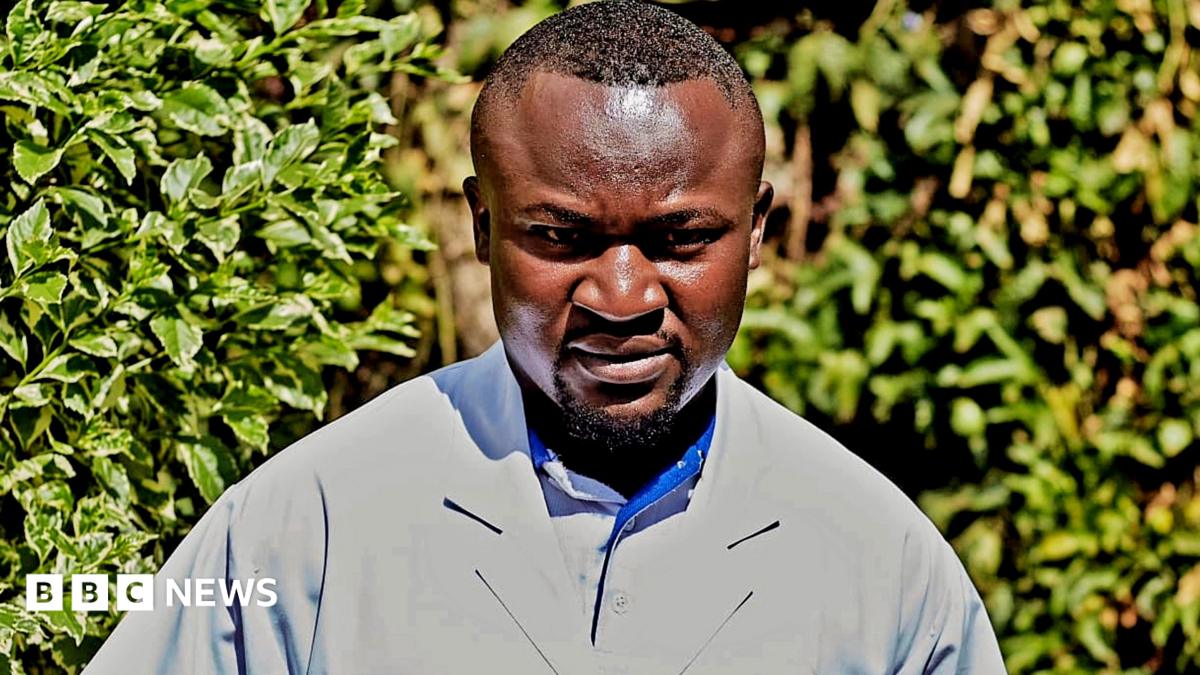
When Dr. Raymond Kasereka Kamwanga told his family that he suspected he had Ebola and was going to a treatment center in the city of Butembo, eastern Democratic Republic of the Congo, his family was horrified. They considered the specialized unit a “house of death” since not many patients recover, especially those admitted in the later stages of the disease. His 50-year-old mother cried and begged him not to go there. “Why do you choose to die in the Ebola treatment center?” Masika Ndungo had asked him. But as a doctor at Butembo’s Katwa Hospital, he knew that if he stayed home, he was unlikely to survive. This was in July, two months after the World Health Organization (WHO) declared the Ebola outbreak in the Democratic Republic of the Congo a public health emergency of international concern. Since then, 5,400 people have died and 11,000 have been infected, making it the second deadliest outbreak ever recorded. Butembo is located in North Kivu province, the epicenter of the crisis, with the highest number of reported cases, according to the Congolese Ministry of Health. Dr. Kamwanga is one of the 3,031 people who have survived and is evangelical in sharing his story in an effort to help stop the spread of infections that devastate his community. “As someone who has recovered, I am living proof that the disease exists, but also that it is possible to recover from it,” he tells the BBC outside the Katwa hospital, where he still works. The 30-year-old doctor believes he contracted the virus through contact with a patient in an environment where protective measures are not always adequate.