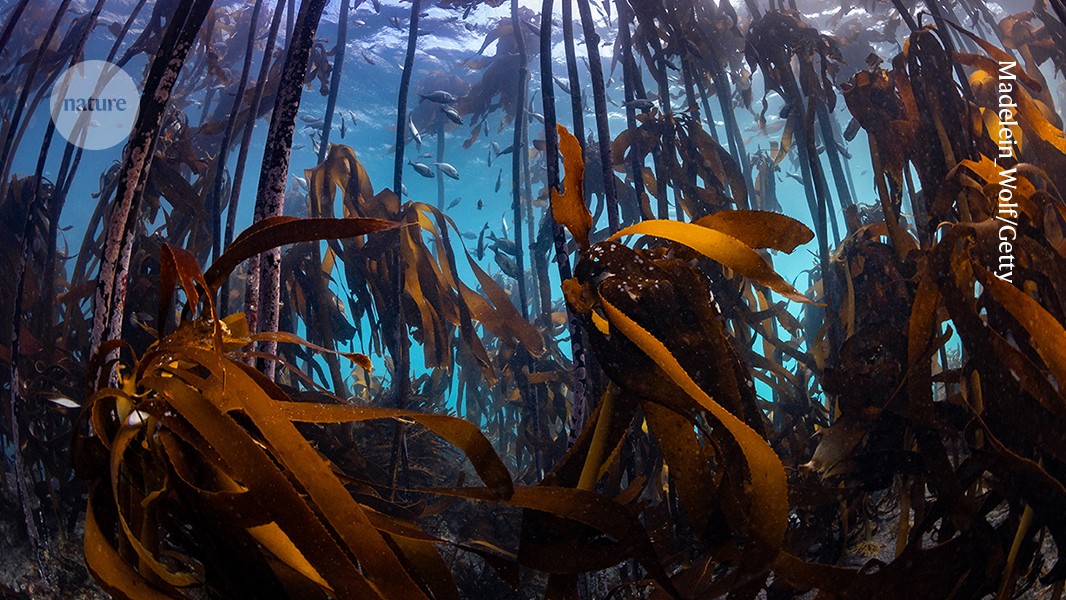
It was shown that both male and female algae are capable of reproducing without fertilization. Credit: Madelein_Wolf/Getty When potential mates are scarce, some types of algae can take control of reproduction, so to speak, according to a study published Nov. 12 in PLoS Biology1. “Our findings highlight that seaweeds are even more flexible in their reproduction than previously thought,” says Daniel Liesner, a marine biologist at the GEOMAR Helmholtz Center for Ocean Research in Kiel, Germany. Brown algae, which provide food and shelter for marine life, “are really strange, they do all sorts of things,” says Reina Veenhof, an ecologist at the Scottish Marine Science Association in Oban, United Kingdom. What’s interesting about the study is that it helps explain how changes in genetic activity allow algae to reproduce in different ways, he says. Developmental Flexibility Scientists know that algae can reproduce asexually, with unfertilized eggs developing into offspring. This process was documented even for a male strain2: the PLoS Biology study shows that it was not an isolated event. The ability of male reproductive cells to develop without fertilization is surprising, says Olivier De Clerck, an algal biologist at Ghent University in Belgium. This is because, unlike eggs, sperm are small and have few resources to support development. The researchers focused on Laminaria pallida, a species found on the Atlantic coasts of South Africa and Namibia. In nature, 523 individual algae showed no clear evidence of asexual reproduction. In contrast, both microscopic male and female L. pallida grown in separate laboratory dishes could produce offspring without fertilization. During asexual reproduction, gene expression in males changed, making them more similar to females. However, when grown in the laboratory in the presence of a member of the opposite sex, the algae favored sexual reproduction, suggesting that they can detect close mates through chemical signals.