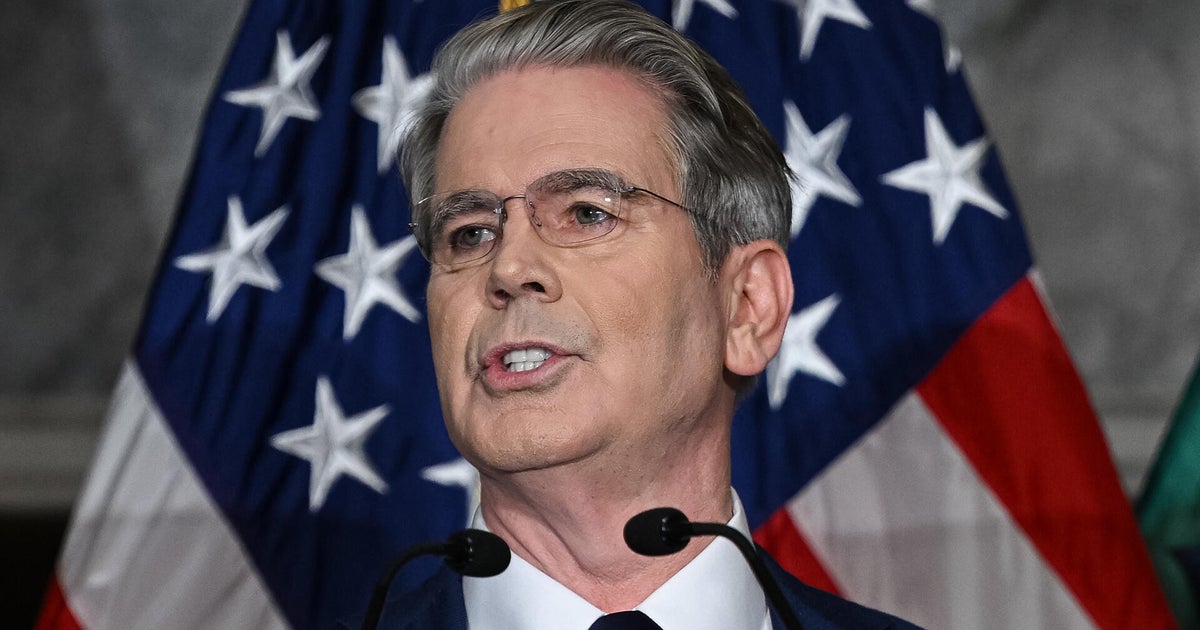
Treasury Secretary Scott Bessent moved from his home in the Washington, DC area to a military base following an Iranian threat on his life, The New York Times reported, followed by the Reuters news agency. Both cited people familiar with the matter. CBS News has reached out to the Treasury Department and the White House for comment. Bessent led a US initiative to cripple Iran’s economy, promising an “economic attack” on Tehran through a web of sanctions. Treasury Secretary Scott Bessent at a press conference on August 24, 2026 in Washington, DC, announcing a new set of sanctions against Iran. Mehmet Eser/Anadolu via Getty Images US national intelligence chief Jay Clayton warned last month that Iran has “substantially increased” its efforts to attack Americans in the Middle East and beyond. Those efforts include stepping up attacks on current and former U.S. officials like Bessent, the Times reported. The Iranian plot against US officials has reached a “more advanced stage,” according to anonymous sources, but the severity of the threats against Bessent was unclear. A Treasury Department spokesperson said in a statement to the Times that Bessent “will not be deterred by threats from the Iranian regime” and is still committed to his campaign to squeeze Iran’s economy. Clayton’s warning, contained in an unclassified memo that was sent to Secretary of State Marco Rubio and obtained by CBS News, came as the State Department adjusted staffing at diplomatic posts across the Middle East and the U.S. military reduced its footprint in the region, amid concerns about direct threats from Iran and threats from the Iranian-backed Houthi movement in Yemen. The US military has also removed some aircraft from two British bases in recent weeks following threats from Iran. Diplomatic efforts to end the war are gaining momentum, and Rubio said Tuesday that he saw no need to resume major combat operations against Iran because economic sanctions and other restrictions were working so effectively. Go deeper with The Free Press on: