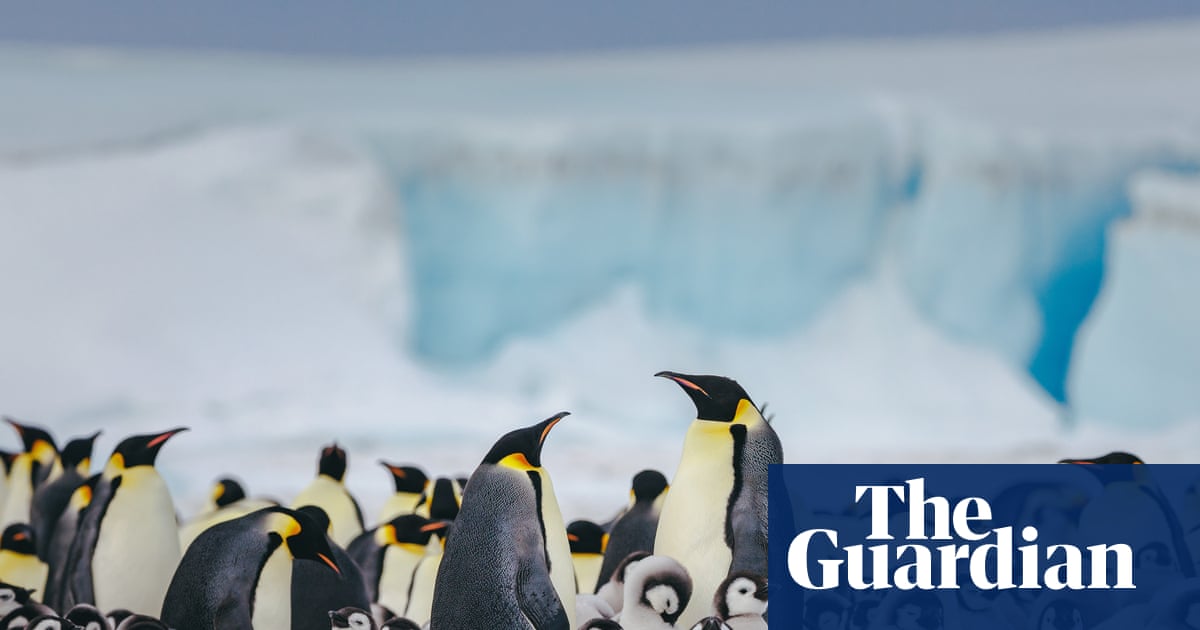
Penguin poop is causing Antarctic snow to melt faster, study shows. As temperatures rise, penguins move closer to the south pole, with the potential for this previously unrecognized phenomenon to affect a wider area. Snow algae are small, single-celled plants that live in some of the coldest places on Earth. When nutrients are scarce, the algae produces red pigments to protect itself from the sun and slow growth. And when nutrients are abundant, it proliferates, filling its cells with green chlorophyll to stimulate photosynthesis and grow. Snow containing green algae absorbs significantly more solar energy than snow containing red algae, causing it to melt more quickly. Alia Khan of the University of Colorado and her team wanted to understand the impact of penguin poop on snow algae. They held their noses and collected samples of red and green algae from snow along the coast of the Western Antarctic Peninsula, in areas with and without penguin colonies. Their results, published in the Journal of Geophysical Research: Biogeosciences, show that penguins track their droppings, or guano, across snowy fields, inadvertently feeding the algae and increasing green blooms, making the snow more likely to melt. Projections for Antarctic melting do not yet take this phenomenon into account, but it could be significant. particularly as penguins move south.