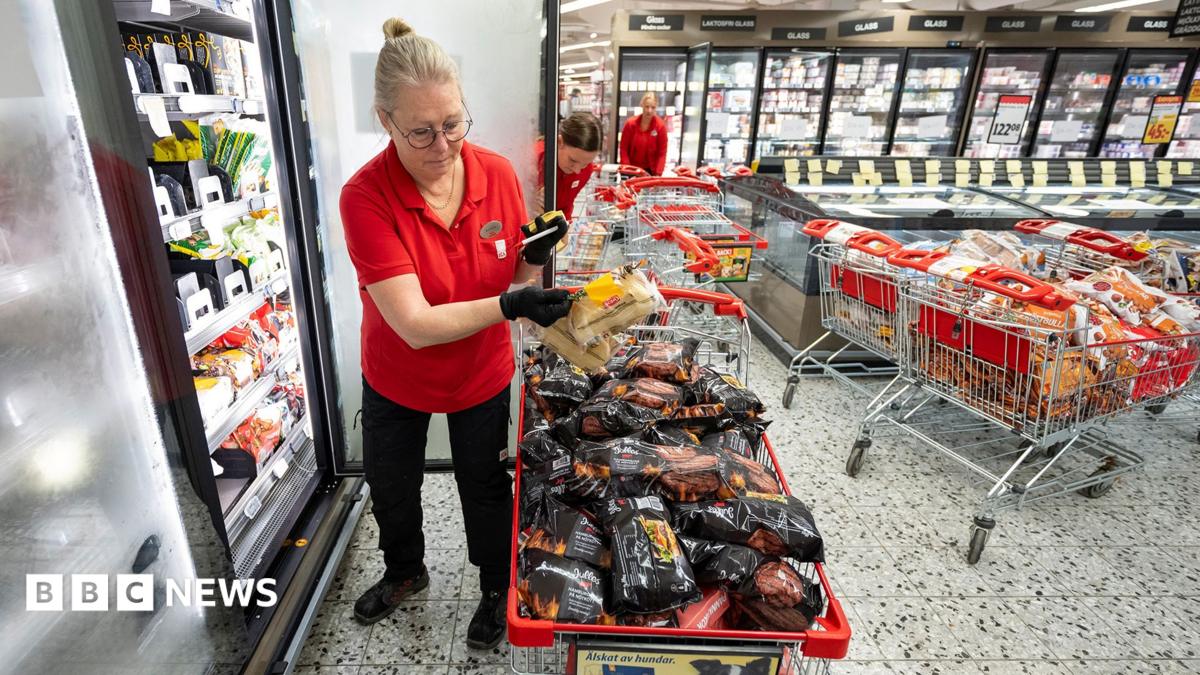
Stephan Moelans, chief executive of Sabcobel, which operates Delhaize’s systems, told the Belga news agency on Monday that the incident was a cyberattack and that the company had been “working all night and morning to disconnect the affected units from the network.” He said that since the French attack in early October, the company had been working to “protect our customers’ refrigerators against this vulnerability,” but that the units needed physical modifications, not just software updates. Most supermarkets in Europe are connected to the Internet, and maintenance and troubleshooting can be done remotely. “The simplest solution is to manage the refrigerators over a secure Internet connection. Most of our customers switched to that option after the attack in France,” added Moelans. Freezer temperatures in several stores across Europe reportedly reached 50°C (122°F). It is unclear who is behind the latest apparent attack. The incidents could be related. The national cybersecurity agencies of Belgium and Sweden said they were monitoring the incident. The UK’s National Cyber Security Center said it was working with international partners and industry to “fully understand the details of an incident”. No incidents have been reported in the UK. In Flanders, northern Belgium, a Delhaize branch in Hoeilaart told news website Het Laatste Nieuws that it had lost €100,000 (£83,500) worth of products. The manager said that estimate didn’t even take into account the additional losses that would result from the store’s closure. Carrefour, a French-owned supermarket, said the incident had only affected 15 of its Belgian stores, adding that immediate action had been taken to ensure all stores remained open. A spokesman for the Colruyt Group, which operates Spar stores in Belgium under a franchise system, told Reuters news agency that five stores suffered attacks on their refrigeration systems. Swedish budget furniture retailer Ikea said the cooling systems at its store in the western Belgian city of Mons were affected and a spokesperson quoted by Reuters said “we cannot rule out that more locations could be affected.”