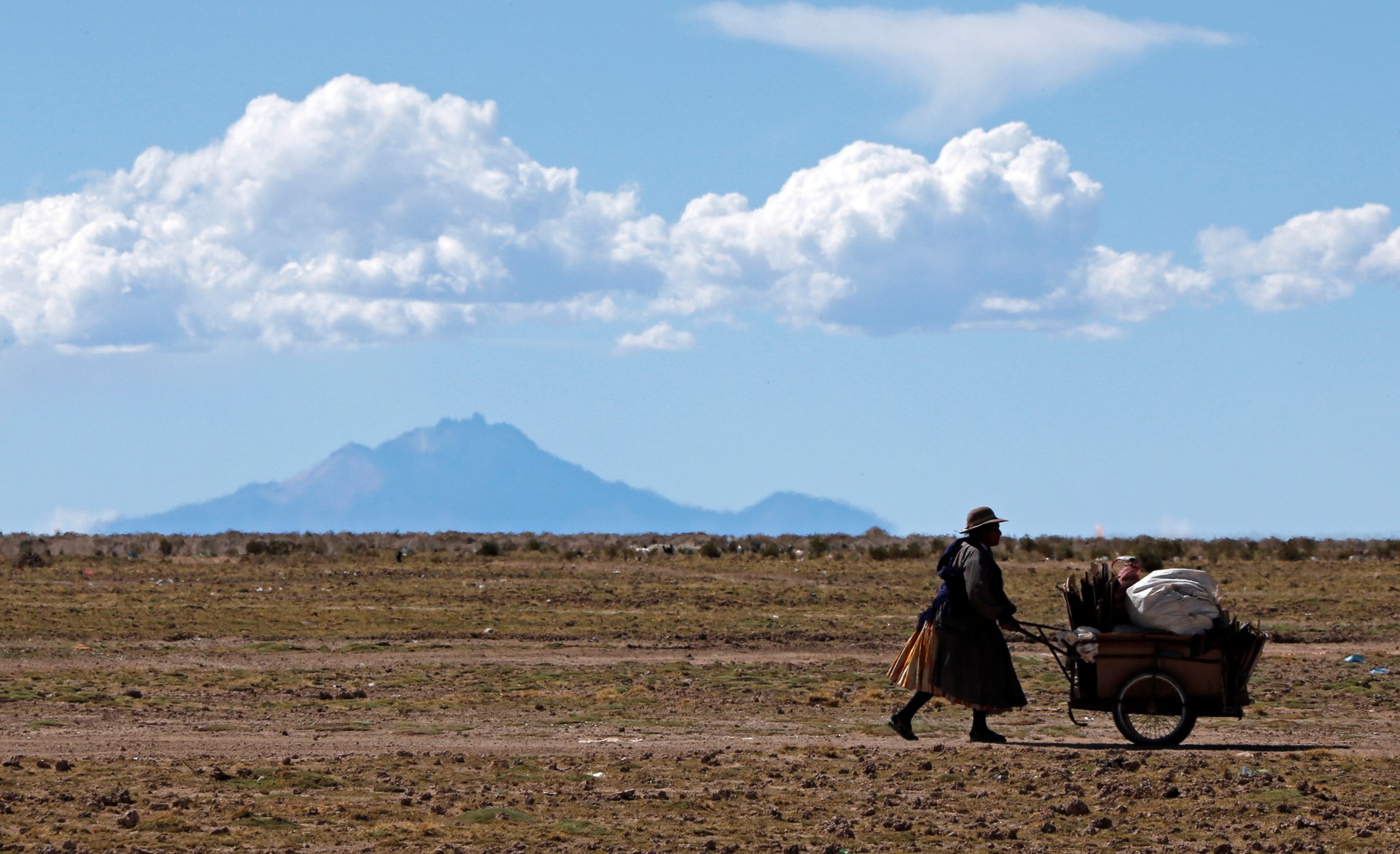
The drought is affecting 78,000 families and has led to the loss of more than 75,000 heads of livestock, as El Niño will peak in late 2026. Published November 1, 2026 November 1, 2026 Bolivia has declared a national state of emergency to free up resources to deal with the effects of the El Niño climate phenomenon. areas of the country severely affected by floods and droughts. Recommended stories list of 3 articlesend of list El Niño will have “very severe impacts in terms of drought and floods,” Paz said, adding that Bolivia needs “the cooperation of all institutions.” In December 2025, flooding in the Santa Cruz region killed dozens of people. Chile’s neighboring capital Santiago recorded its wettest October ever, while forest fires in Peru killed at least 12 people last month. Bolivian President Rodrigo Paz says declaring a state of emergency will allow authorities to more quickly deploy resources where they are needed [File: Claudia Morales/Reuters]El Niño, a global climate phenomenon that occurs approximately every two to seven years, is part of the planet’s natural climate cycle. During this weather event, warming in the Pacific Ocean brings changes in winds, pressure and rainfall patterns around the world, often causing extreme weather. The intensity of El Niño varies and its impact changes depending on geographic location, but this cycle could be the strongest in recorded history. It is set to peak in late 2026, but its impacts could continue well into 2027. Scientists predict that El Niño could cause more than 450,000 deaths worldwide, with the poorest countries hardest hit. In early September, the World Meteorological Organization reported a nearly 100 percent chance that El Niño will continue until February 2027.