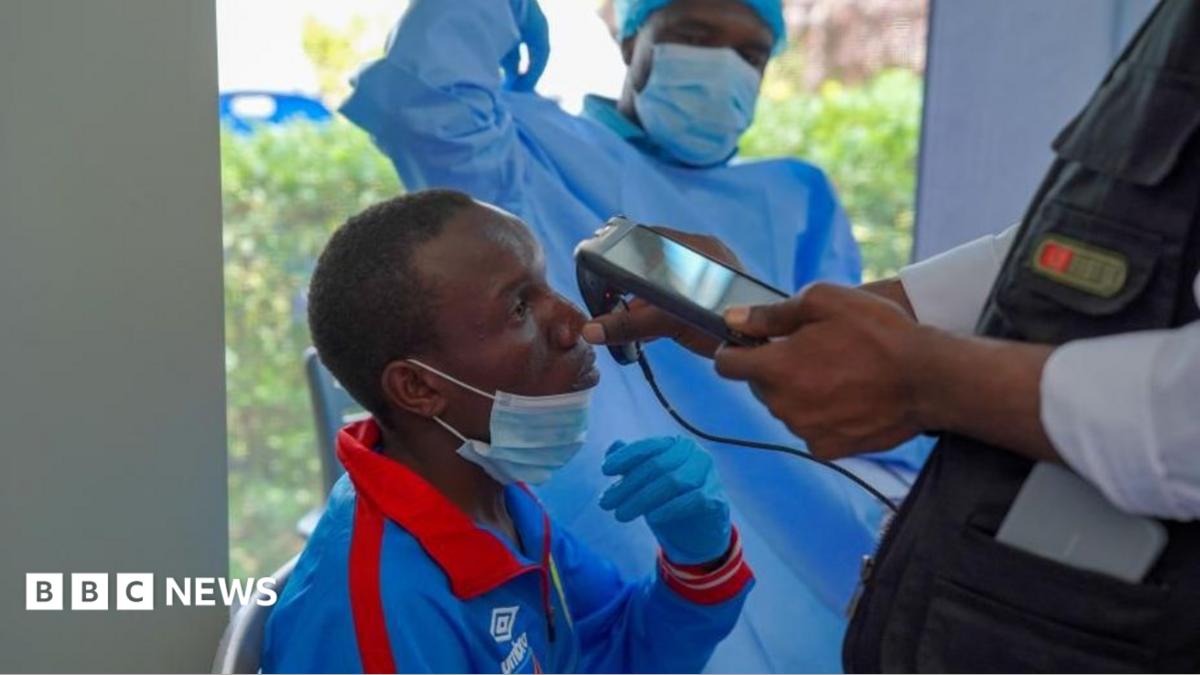
More than 5,000 people have died from an ongoing Ebola outbreak in the Democratic Republic of the Congo, government data shows. Eight of the 26 provinces are now affected, with more than 10,300 confirmed cases. The outbreak, which began in May, became the deadliest in the country’s history in August, public health officials said. The current fatality rate is 48.6%. In its latest update, the Ministry of Health said that the epicenter of the epidemic remains in the province of Ituri, in the northeast of the country, which is a conflict zone, making it more difficult to contain the virus. Cases have also been confirmed in Kenya, Nigeria and Uganda. This is the 17th outbreak in the history of the Democratic Republic of the Congo, according to the United Nations (UN), and the second largest in history. The World Health Organization (WHO) office in Africa said ending the outbreak requires “continued expansion of key control measures, greater access to affected areas and greater community outreach.” Tests and treatments are being carried out, along with clinical trials of vaccines, he added. The Bundibugyo species is behind the current outbreak, but there is still no treatment or vaccine for this strain. The previous deadliest outbreak in the Democratic Republic of the Congo saw 2,299 deaths recorded between 2018 and 2020, the UN said. The deadliest in history occurred in West Africa between 2014 and 2016, killing more than 11,325 people and spreading to several countries, including Italy, the United Kingdom and the United States, according to the WHO. The UN warns that the current outbreak is “claiming lives at a much faster rate.” Ebola is a rare and deadly disease caused by a virus and symptoms appear suddenly. As the disease progresses, vomiting and diarrhea develop which can lead to organ failure. Some patients, but not all, develop internal and external bleeding. The virus spreads from person to person through contact with infected body fluids, such as blood or vomit. Adding to the challenge of treating the disease, some health care workers and a politician have been attacked while responding to the outbreak. Earlier this week, a nurse was killed and another health worker was seriously injured in an attack while responding to an Ebola alert. Local youth had accused them of contaminating water sources and spreading the virus, according to UN-backed Radio Okapi. Last month, a politician was beaten to death after promoting measures to stop the spread of Ebola, while in August, the Red Cross said its volunteers had been injured and an ambulance had been set on fire in 11 violent incidents in the first 100 days of the outbreak. In Uganda, two people died and 20 cases were recorded shortly after the outbreak began, but no cases have been reported. since August. Travel restrictions remain in place for those crossing into the country from the neighboring Democratic Republic of the Congo. In Kenya, there have been nine confirmed cases and two recorded deaths. Two suspected cases were identified in Nigeria on Saturday, its disease control center said, adding that the individuals have been isolated and are undergoing testing. In early October, a woman was confirmed to have the disease in the country, but was flown to Switzerland for further treatment. The probability of infection for people in the Europe area is “very low,” the European Center for Disease Prevention and Control said.