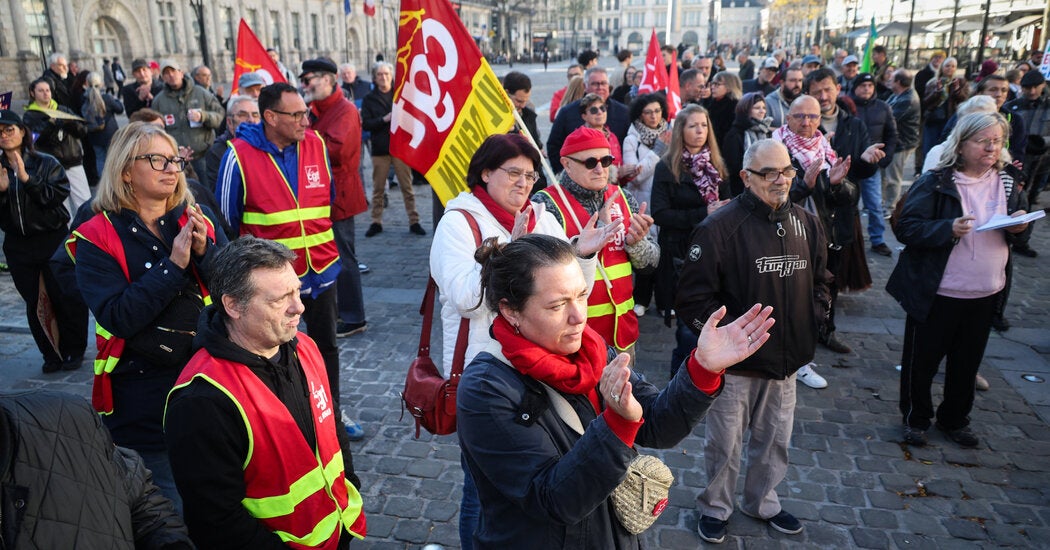
Nationwide unrest in France began with a handful of student demonstrations at high schools in the Paris suburbs last month. Now, in cities across the country, anti-government demonstrators are protesting expensive living conditions, high fuel prices and conditions in schools. Using the riots as a smokescreen for vandalism, rioters and looters have also joined in. With the protests in their second month, police have arrested thousands and politicians are divided over how to respond. Here’s a breakdown of what happened. Protest in a Paris suburb Shortly after returning from summer vacation, students at a high school in the working-class Paris suburb of Créteil staged a protest, according to videos posted on social media on September 18. to inadequate resources and high workloads. Within a few days, students from other parts of Paris began similar demonstrations. At schools in the capital’s poorest suburbs, students blocked entrances to protest deteriorating infrastructure, overcrowded classrooms and what they say are flaws in the higher education admissions system. The demonstrations spread throughout France. By September 29, unrest had spread to around 400 schools across the country, according to protest organizers. classrooms.” Students blocked entrances to some schools with obstacles, including electric bicycles, while others threw projectiles and set trash cans on fire. French Education Minister Édouard Geffray said some of the students’ demands were “legitimate” but condemned the confrontational nature of their protests. He said students had chased teachers and attacked school principals with fireworks-launching tubes. By the end of September, nearly 80 people had been injured and authorities had arrested more than 440, including many minors. University students reinforce the movement A student sit-in that blocked the street in front of Sciences Po University in Paris in early October, according to the Ministry of the Interior, had spread to more than 1,000 schools across France, including 220 that were blocked. educational grievances to something more dangerous, accusing people of firing fireworks with mortar, burning public buildings and looting. As of October 2, nearly 400 police officers and more than 230 school staff and students had been injured. The number of arrests rose to 3,000. The movement widened in October to encompass unions, parents and other activists, as different demands converged in a mass protest. October 6, around 256,000 people marched in Paris and 40 other French cities, according to the Interior Ministry. A union of high school students said protesters had occupied about 1,800 high schools. The protests were mostly peaceful, but a fire broke out in Lyon and police officers used tear gas, including in Paris. The total number of those arrested rose to 6,000, officials said. French prosecutors and a human rights group accused police of using disproportionate force, including against children as young as 14. Two days later, on October 8, smaller demonstrations took place across the country, drawing about 71,500 people. The following week, the Interior Ministry said 160,000 people joined the October 13 marches across France. to 110 anti-government marches across France on October 17, according to an official estimate. A major union, the CGT, estimated the number even higher, at 800,000. Using either count, it was the largest day of protest since the demonstrations began in September. Many of the protesters were peaceful, but some were not. More than 100,000 people marched peacefully, a few hundred rioters clashed with officers. In the large city of Limoges in central France, rioters set fire to the 19th-century town hall in a moment captured on video.