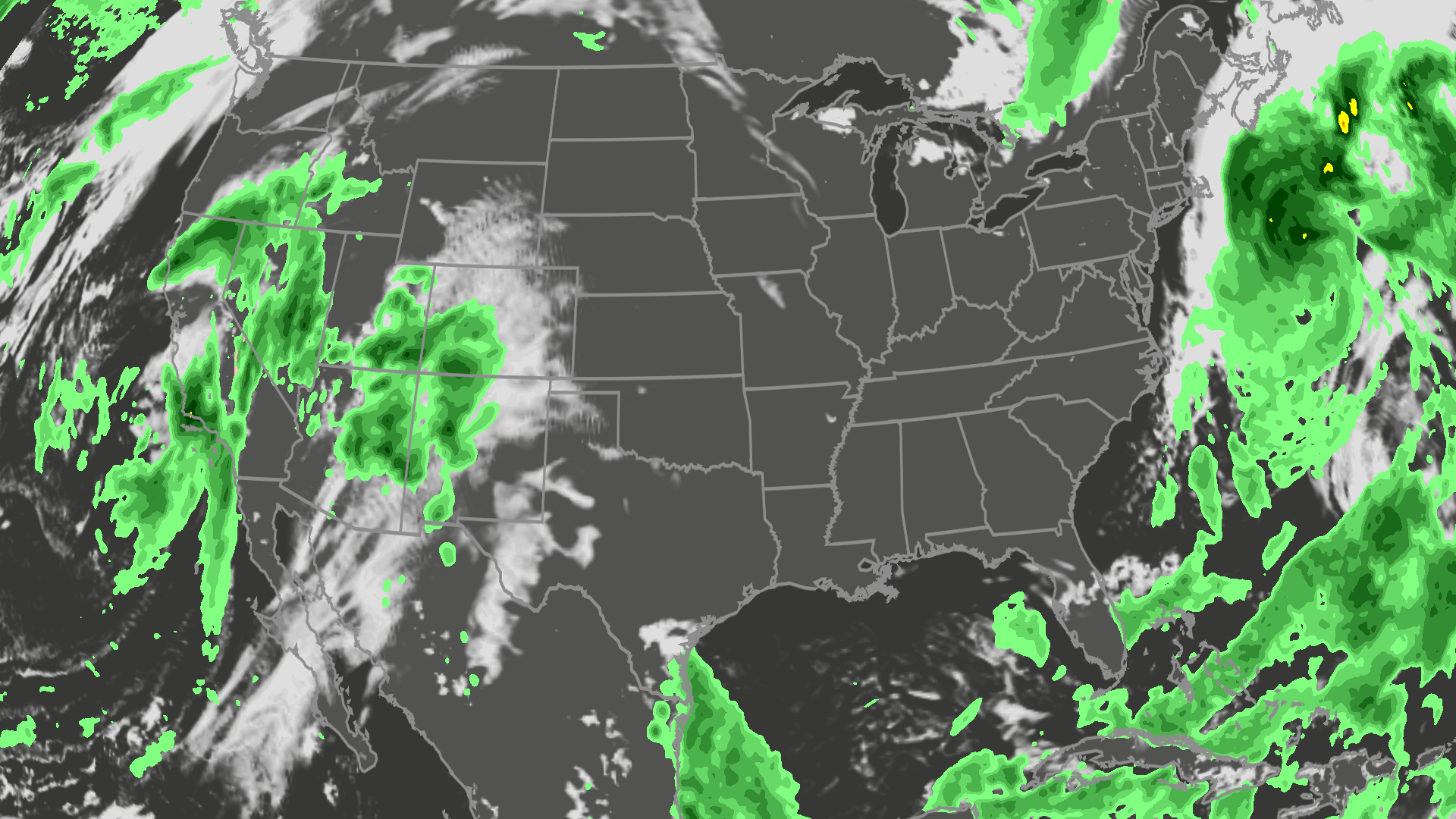
A meteor streaks across the sky over a desert in China during the Orionid meteor shower on October 22, 2023. (VCG/VCG via Getty Images) The Orionid meteor shower peaks this week and promises to be one of the most dazzling displays of the year. And while some of you will have clear skies, rain and clouds could affect the view of others. Here’s what you need to know about the Orionids and their forecast: Quick Facts Peak Day: The meteor shower peaks from Wednesday night, October 21, to the early morning hours of Thursday, October 22. Orionid meteors are known for their brightness and speed. As they streak across the sky at about 41 miles per second, meteors leave behind a bright “train” that can last from several seconds to minutes. The forecast by regionWhile you can make the perfect plan to capture the Orionids, the key to stargazing is still in the hands of Mother Nature. The good news is that many of you should have good conditions to observe meteor showers. Much of the central and eastern U.S. is forecast to have clear skies early Thursday morning. But there are a couple of potentially problematic areas: Rocky Mountains, Southwest Get more of our news on Google Set The Weather Company as a ‘preferred source’ for faster access to the news you value. Thicker cloud cover could impact skywatchers in the Four Corners region. Home to numerous dark sky parks, what would normally be a prime area to see meteors streaking across the sky is probably not the best place to capture the Orionids this year. West Coast Parts of California, Oregon and Washington could also have some cloud issues. While there are still some areas of the West Coast that could see clear visibility, it is worth monitoring your forecast closely. The East Coast Warning While much of the mid-Atlantic and Northeast appear clear for now, a nor’easter is brewing off the East Coast that will persist through the middle to end of the week. Depending on exactly where the system tracks, the cloud cover could shift inland, threatening your view of the meteor shower. For now, the worst of the cloudiness is expected from New York City to parts of New England. (MORE: Northeastern Easter Will Bring Hazardous Conditions to East Coast) But if you’re thinking you could still take your chances with clouds, keep in mind that they’re not the only concern. Showers and storms will move westward this week as tropical moisture funnels back into the region. Flooding will be a concern on Wednesday and Thursday, so sky watching will likely not be possible in parts of California, Nevada and the Four Corners. (MORE: Flood Risk from California to Colorado) Viewing Tips and Tricks If the forecast is in your favor and you’re ready to plan a night of stargazing and meteor showers, here are a few things to keep in mind: Find an area away from city lights or any other light pollution Bring a blanket, sleeping bag, or lawn chair Lie down with your feet facing southeast. Take 30 minutes for your eyes to adjust to the dark! Be patient and enjoy the hours-long show! Caitlin Kaiser graduated from the Georgia Institute of Technology with bachelor’s and graduate degrees in Earth and Atmospheric Sciences before beginning her career as a digital meteorologist at Weather.com.