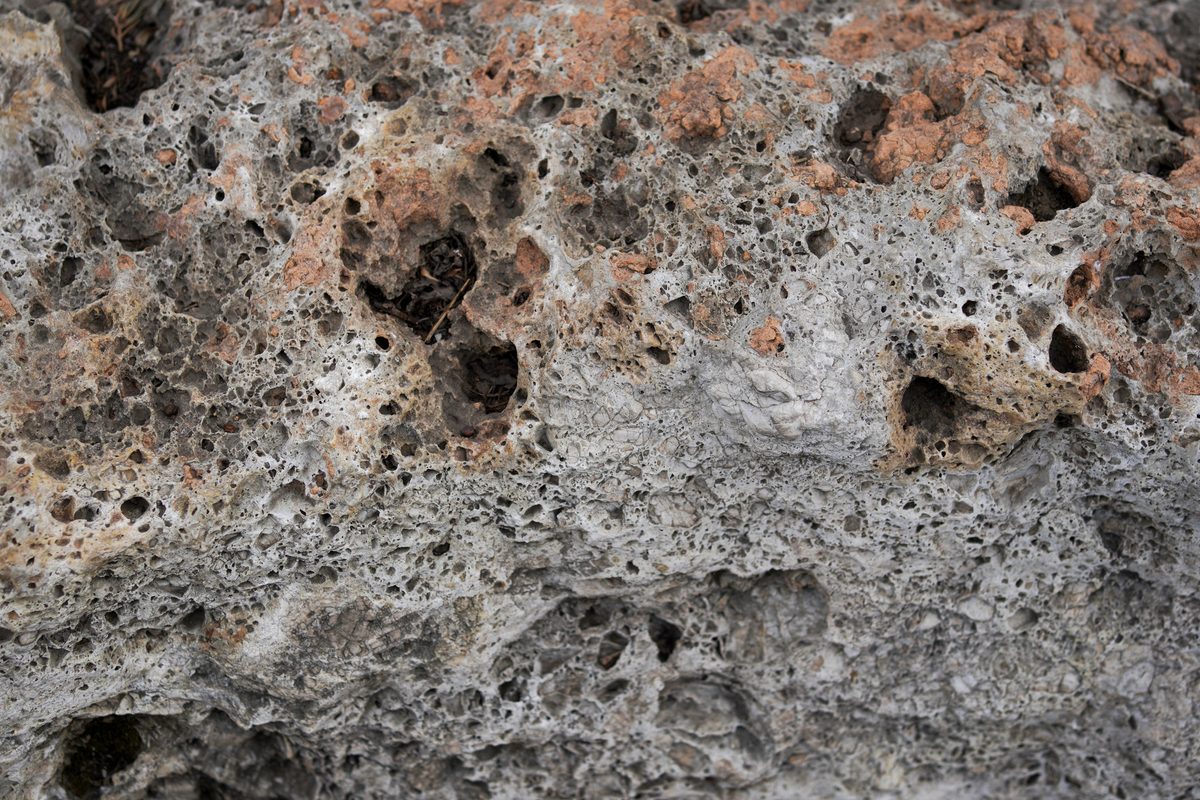
The spectacular eruption of a volcano on land is a display worthy of the big screen (which may explain why the fire phenomenon often appears in disaster movies). Clouds of smoke billow into the sky, molten rock explodes upward like fireworks, and angry orange lava flows down the mountainside. A strange sight, but one that still occurs, are the powerful rafts of volcanic rock that can float on the ocean surface for thousands of kilometers after an underwater eruption. In fact, it’s easy to forget that volcanoes also erupt underwater. “Although 70% of volcanism occurs underwater, underwater eruptions are rarely witnessed due to their remoteness and the absence of technologies that allow their detection,” write the authors of a 2020 paper in Geophysical Research Letters. In August 2019, near Tonga in the Pacific Ocean, an unnamed volcano erupted 200 meters underwater; If you placed London’s Gherkin Building in the background, its tip would not reach the surface of the water. Magma contains gases, including water vapor, carbon dioxide, and sulfur dioxide. These gases remain dissolved in the molten rock due to the intense pressure inside the Earth, like a genie trapped inside a bottle. As the magma approaches the surface, where there is lower pressure, these gases begin to expand and form bubbles inside. When it bubbles up into the ocean and hits the cold sea water, it cools in an instant. This can create pumice: hardened rock packed with bubbles like an Aero chocolate bar. “These pumice rocks are full of holes and cavities and float easily,” NASA Science explains on its website. And it can generate a lot. The August explosion created a huge mass of pumice that spread across 195 km2. That’s bigger than the Caribbean island of Aruba. Sailors encountered the strange phenomenon in the open sea: the stench of sulfur invaded their nostrils as rocks passed them like corks, crashing against the sides of the ship. “It was certainly quite extraordinary,” Rachel Mackie wrote in a Facebook comment while sharing a video of the pumice field, adding that the rocks “cleaned the brush off the hull but also took away the antifouling and paint.” In the video, there is debris all the way to the horizon and it’s hard to believe you’re looking at the ocean. The floating layer of pumice was said to be 30 cm deep and some of the stones measured up to 80 cm in diameter. These fields of floating rock can float along the surface for thousands of kilometers before absorbing enough water to be washed back into the ocean. Until then, the current and winds push them, sometimes carrying them across the ocean and other times dragging them to shore. This raft arrived in Fiji the following month. By the following April, the pumice from the raft had traveled more than 3,000 kilometers (more than 1,860 miles) and reached Australian waters. Scientists were hoping it might bring along some useful hitchhikers. Marine organisms can use floating rocks as a taxi to travel long distances across the ocean. “In total, we have identified more than a hundred different species attached to pumice, an enormous diversity of plants and animals,” explains Professor Scott Bryan, a pumice expert at the Queensland University of Technology (QUT), in a statement. “The large number of individuals and this diversity of species […] “Every piece of pumice is a home and a vehicle for an organism,” he says, describing the arrival of new creatures as “almost like a vitamin shot for the Great Barrier Reef.”