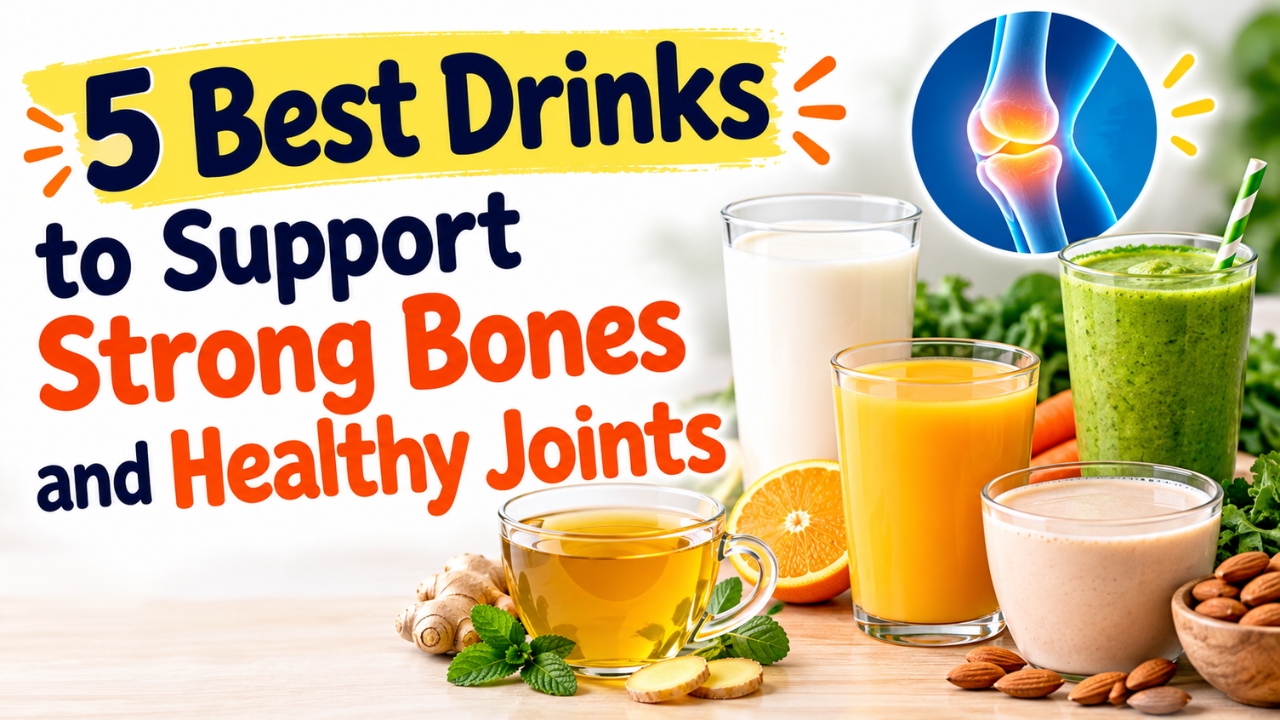
Strong bones need more than calcium alone. Vitamin D, protein, magnesium, and regular physical activity also support bone strength and mobility. Choosing nutritious drinks can make it easier to meet these needs—especially when they replace sugary sodas or beverages that provide little nutritional value.The best drinks to support strong bones are those that supply calcium, vitamin D, protein, or hydration. However, no single beverage can prevent osteoporosis on its own. A balanced diet, strength-bearing exercise, adequate sunlight where appropriate, and medical guidance all play important roles.
1. Milk: A Reliable Bone-Supporting DrinkMilk is one of the simplest drinks for supporting bone health because it naturally provides calcium and protein. Many varieties are also fortified with vitamin D, which helps the body absorb calcium and maintain healthy bones.Choose the type that fits your dietary needs:
Low-fat or skim milk for a lower-saturated-fat option.Fortified dairy milk for calcium and vitamin D.Lactose-free milk if lactose causes digestive discomfort.Plain milk instead of flavored varieties when limiting added sugar.A typical serving of milk provides a meaningful amount of calcium, but check the nutrition label because amounts vary by brand and product type.2. Fortified Soy and Other Plant-Based BeveragesFortified soy milk can be a useful alternative to dairy milk. It generally provides protein and may contain similar amounts of calcium and vitamin D when fortified. Some almond, oat, and pea beverages are also fortified, but their nutrient profiles differ considerably.DrinkPotential bone-supporting nutrientsWhat to checkDairy milkCalcium, protein, often vitamin DAdded sugar in flavored versionsFortified soy beverageCalcium, vitamin D, proteinLook for fortified, unsweetened varietiesFortified almond or oat beverageCalcium and vitamin DProtein may be low; check the labelCalcium-fortified orange juiceCalcium and sometimes vitamin DAdded sugar and serving sizeYogurt smoothieCalcium, protein, sometimes vitamin DSugar content and portion sizeWater or mineral waterHydration; some mineral waters provide calciumMineral content and sodiumAlways shake fortified plant beverages before drinking if the label recommends it, since added minerals may settle. If you rely on a plant-based drink as a milk replacement, compare calcium, vitamin D, and protein—not just calories.
3. Calcium-Fortified Orange JuiceCalcium- and vitamin D-fortified orange juice can help people who do not consume dairy. It may provide a similar amount of calcium to milk per serving, but the exact amount depends on the product.This drink is best used thoughtfully:Choose a calcium-fortified variety.Check whether vitamin D has been added.Prefer lower-sugar options when available.Treat it as a serving of juice rather than unlimited hydration.Whole oranges provide fiber and are generally more filling, while fortified juice is mainly useful for its added nutrients and convenience.4. Protein-Rich SmoothiesA homemade smoothie can combine several nutrients linked with healthy bones. Try blending milk or fortified soy beverage with plain yogurt, berries, and nut butter. This creates a drink with calcium, protein, and other nutrients without depending on heavily sweetened commercial shakes.A practical bone-supporting smoothie might include:
One cup of fortified milk or soy beverage.Plain yogurt for additional calcium and protein.Berries or a small banana for flavor.Nut butter or ground seeds for healthy fats and minerals.Ice or water to adjust the texture.Keep portions sensible, especially if the smoothie contains fruit juice, sweetened yogurt, syrups, or multiple high-calorie ingredients.5. Water and Calcium-Containing Mineral WaterWater does not provide calcium or vitamin D, but it supports hydration and is an excellent everyday choice. Staying hydrated may also make it easier to remain active, and regular activity—including walking and resistance exercise—is important for maintaining bone and muscle function.Some mineral waters contain useful amounts of calcium. If you enjoy sparkling water, the carbonation itself is not considered harmful to bones. Check the nutrition label for calcium and sodium, particularly if you have been advised to limit sodium.Drinks to Limit for Better Bone HealthThe occasional soft drink or coffee does not automatically weaken bones. The bigger concern is when sugary sodas or large amounts of caffeine regularly replace calcium- and protein-rich beverages.Consider limiting:Sugary sodas and sweetened energy drinks.Excessive coffee or highly caffeinated drinks.Alcohol, which can contribute to health risks when consumed heavily.Sweetened juices and bottled smoothies with little nutritional value.Coffee and tea can fit into a balanced diet, but heavy caffeine intake may interfere with calcium balance in some people. Meeting your daily calcium needs remains more important than avoiding every caffeinated drink.FAQsWhat is the best drink for strong bones?Milk or a fortified soy beverage is often a practical choice because it can provide calcium, vitamin D, and protein. The best option depends on your dietary pattern and tolerance.Is orange juice good for bones?Calcium- and vitamin D-fortified orange juice can support calcium intake. Choose a product with fortification clearly listed on the label and watch the added sugar.Does sparkling water weaken bones?Plain carbonation does not appear to be the problem. Some mineral waters contain calcium, but flavored or sugary carbonated drinks should not replace nutritious beverages.How much calcium do adults need?Needs vary by age, sex, pregnancy status, and medical history. Many adults need about 1,000 mg of calcium daily, while some women over 50 and adults over 70 need about 1,200 mg. Ask a healthcare professional for advice if you have osteoporosis, kidney disease, or take medicines that affect calcium or vitamin D.Building strong bones is a long-term habit, not a quick fix. Choose calcium- and vitamin D-rich drinks regularly, include protein and vegetables in meals, stay active, and review your individual nutrient needs with a qualified healthcare professional.5 Best Drinks to Support Strong Bones and Healthy Joints