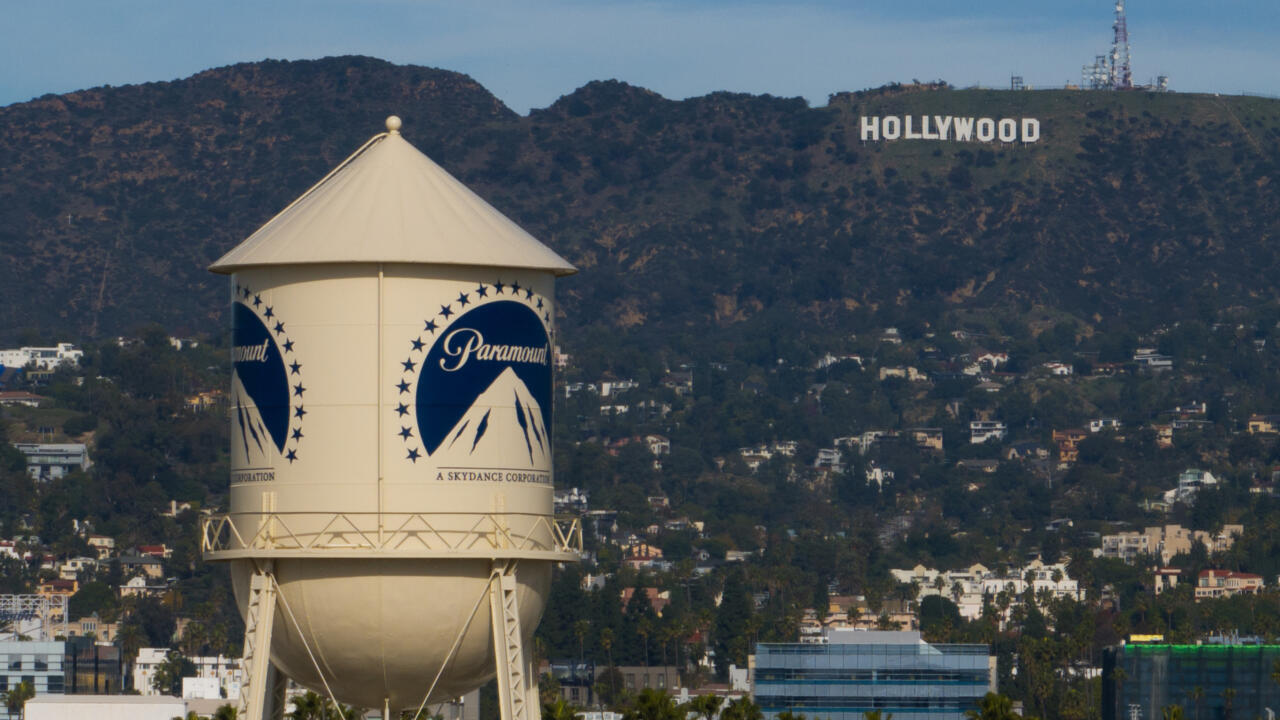

Paramount has reached a deal with a group of U.S. states that paves the way for its acquisition of Warner Bros. Discovery, officials announced Monday, creating a Hollywood empire spanning television, news and film. Paramount, run by David Ellison, whose ultra-rich family has ties to US President Donald Trump, won a bidding war against Netflix in February for control of a suite of assets that includes Warner Bros. Pictures, CNN and streaming service HBO Max. The Trump administration approved the deal, one of the biggest media mergers in years, in June without requiring a change to its business, before 12 US states sued to block the transaction. Financing for the deal reportedly includes around $24 billion in capital from the sovereign wealth funds of Saudi Arabia, Qatar and Abu Dhabi. David Ellison’s father, Oracle’s billionaire founder Larry Ellison, also provided financing and a guarantee. Opponents in the film industry said the combined company would cut jobs in an already under-pressure Hollywood and reduce the number of films produced each year, while news media groups feared CNN’s independence could be compromised. The agreement includes several safeguards on these issues, including a board intended to protect CNN’s editorial independence. The news comes just days after Trump banned CNN, Politico and MS NOW from the White House. The media is suing the administration to overturn the decision. Paramount had threatened to move out of California if the state’s attorney general, Rob Bonta, did not negotiate an end to the lawsuit. In their lawsuit, the 12 states argued that the combined company would control approximately 27 percent of the distribution of wide-release theatrical films and a similar percentage of the basic cable channel industry. California led the lawsuit, along with Arizona, Colorado, Connecticut, Massachusetts, Minnesota, Nevada, New Jersey, New Mexico, New York, Oregon and Washington, all led by Democrats. “Facts of the law” Four states (Massachusetts, New York, Connecticut and Minnesota) had opposed it, but concluded that continuing to fight without California was not worth it, Bloomberg reported. Bonta told reporters that protecting jobs was a major concern in his handling of the case and acknowledged that many people may be disappointed with his decision to settle. “My job as attorney general is to analyze the facts and the law, weigh the options before us and make the best decisions for the people of California,” he said. Bonta said the deal included a commitment that the merged studio would produce 30 films in each of the first two years of the deal and 32 films in each of the following three years. At least four of those films must be independent productions and at least 20 percent must be box office hits, Bonta said. The terms include a financial penalty if Paramount fails to meet targets. According to a joint court filing, the deal also requires at least $300 million more in annual spending on U.S. film production by Paramount and Warner Bros. than in 2025. The companies must also retain both studios’ production lots, honor labor agreements and commit funds to workforce training, according to the filing. It also creates a News Editorial Independence Board to establish editorial principles for the combined company’s news channels, including CNN. Compliance would be overseen by an internal monitor, an independent administrator and a five-state committee, and the court would retain jurisdiction over enforcement. (FRANCE 24 with AFP)