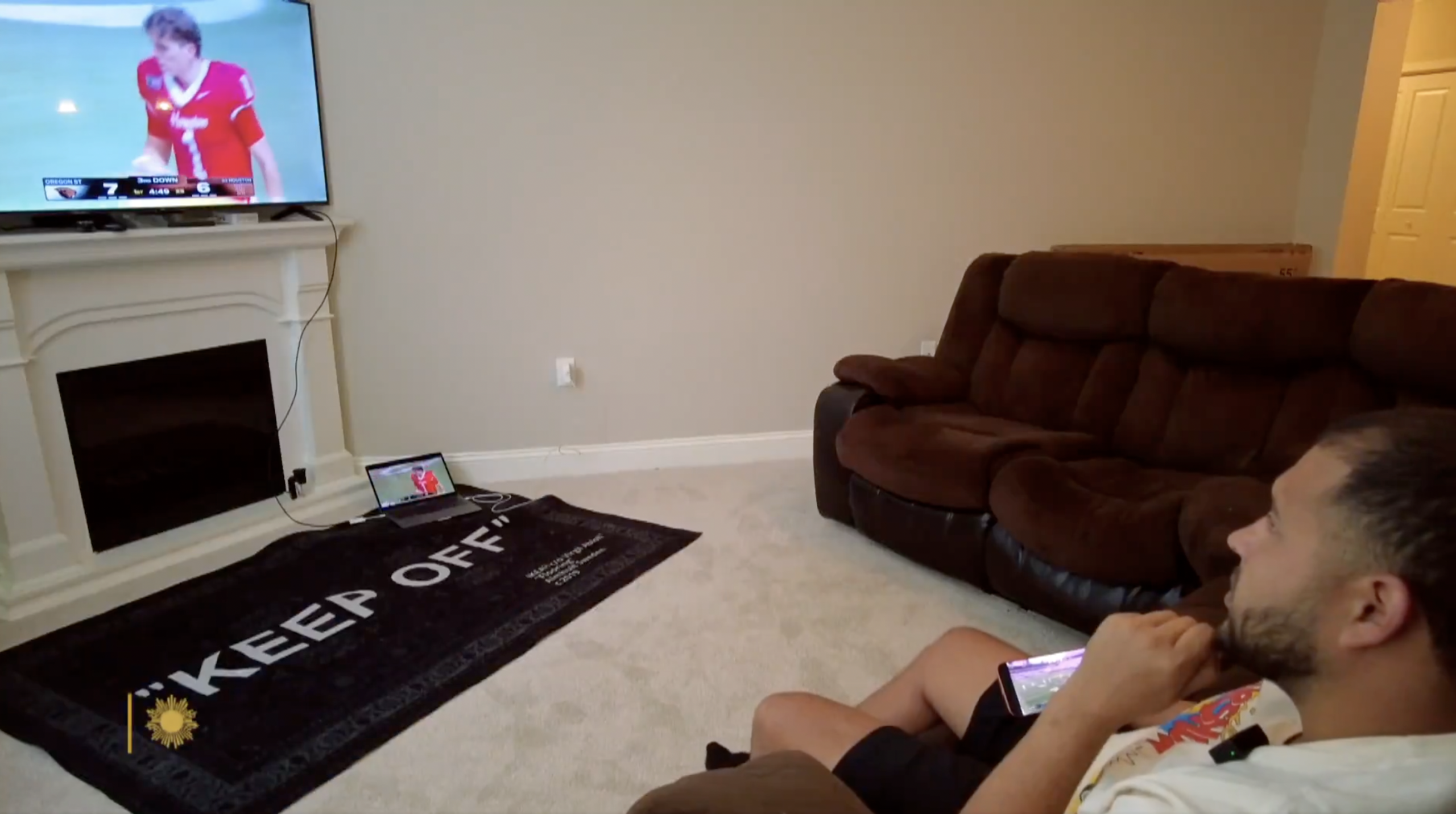
Over the weekend, The New York Times published an investigation into DraftKings. The upshot of the investigation is that this obviously exploitative, for-profit company exploits its customers for profit in all the ways you might have feared. The story features official testimony from former DraftKings employees who say the company not only created tools to identify customers most likely to lose and entice them to continue gambling, but also shut down projects that could have helped the company identify potential problem gamblers more easily. One source, a former data analyst named Jayden Butts, told the Times that he was tasked with testing a machine learning model that would be able to not only identify which customers were most likely to be convinced to bet with promotions and free bets, but also target those most likely to lose those bets. From the Times: The central question was: “Is this person going to give us more than we give him?” Mr. Butts said. “And if the answer is yes, open the floodgates.”[…]Data scientists had trained the new casino model based on historical data. Mr. Butts’ job was to test it on real clients. Each week, the model absorbed information about a user’s recent activity. The score he calculated was known internally as “elasticity,” a term borrowed from economics. Users with scores below the average were considered “inelastic” and received fewer incentives. The “elastic” bettors remained. Two other former employees told the Times that when they raised concerns that customer-facing initiatives like the one Butts worked on could exploit problem gamblers, they were told not to implement any protections. Other sources who worked on risk assessment models for DraftKings told the Times that one of their projects, which used customer data to predict which users might become problem gamblers, was shut down without much explanation: One member of that team was Jake Shannin. “Our conclusion was that it is possible even with simple rules to get a clearer idea” of whether a client would end up needing an intervention, Shannin said. In early 2025, Shannin said, the team prepared to share the new model with company officials, including [chief responsible gambling officer Lori] Kalani. But on the day of the presentation, the meeting was cancelled. Two other attempts by DraftKings employees to create similar algorithms have also been shelved, according to two former employees. Kalani said company leaders made a “collective decision” not to use predictive technology for problem gambling. “We assessed that it was not evidence-based,” he said. The company decided that its existing system was a “better methodology.” A day after the Times published its story, CBS News published its own story about FanDuel, in which a former FanDuel employee tells the network that the sportsbook used its customer data to target users who were taking a break from gambling and needed to be lured back to the platform. He also states that FanDuel does not exclude problem gamblers. “I had conversations with people where they said, ‘Well, we know what we need to do, but… we don’t want to stop you from making a bet,'” he told CBS. In both stories, DraftKings and FanDuel offer criticism of the CBS and Times reporting. DraftKings brought out its director of responsible gaming, Lori Kalani, to tell the Times that the tools described by Butts and other former employees are no different from the marketing and customer acquisition tools other companies use to attract people to their products. Sports Betting Alliance President Joe Maloney emphasized to CBS that problem gamblers are few and that FanDuel offers customers all kinds of tools to set betting and deposit limits, should they determine for themselves that they have a gambling problem. Both Maloney and Kalani also made the well-known argument that even when customers lose money, they are buying something in return: entertainment. “Customers who bet within their means, bet for entertainment and for fun,” Kalani said. “It’s for entertainment. It’s not for creating wealth,” Maloney said. This has always been a fundamental argument in favor of gambling: the idea that losing money is incidental to the thrill that can be enjoyed by putting it on the line in the first place. This is a much easier argument to make within the confines of a casino, where there is the potential for camaraderie and the feeling that one is participating in a shared activity with other players. And at least there are free drinks. But what entertainment can be found in the isolation of a phone? A particularly disturbing part of the Times story is the revelation that DraftKings makes a third of its revenue from online casino games, such as blackjack and digital slots, even though those games are only offered in a fraction of its jurisdictions. This grim fact fits perfectly next to the main character of the CBS News story, a sports gambler named Esteban Ruiz-Haynes who allowed a camera crew into his apartment to film him betting on college football games. The 29-year-old pest control salesman told CBS that he bets more money annually than he makes in salary, and the network’s camera crew documented that he lost $500 in a single afternoon betting on college football parlays. The images of Ruiz-Haynes gambling at home are incredibly depressing, as is the idea that DraftKings makes billions of dollars each year from people sitting on their couches playing a slot machine on their phones. You can get bogged down all you want discussing the ethics of how companies like DraftKings and FanDuel find and retain customers, but there’s no denying what their success and profitability requires. It requires a 29-year-old man with a good job to spend Saturday locked in his completely empty apartment, watching football games on his television and phone, agonizing over the bad decisions he has made. It requires millions of people across the country to be alone, staring at the glow of their phone screens, hoping for a good turn.Recommended