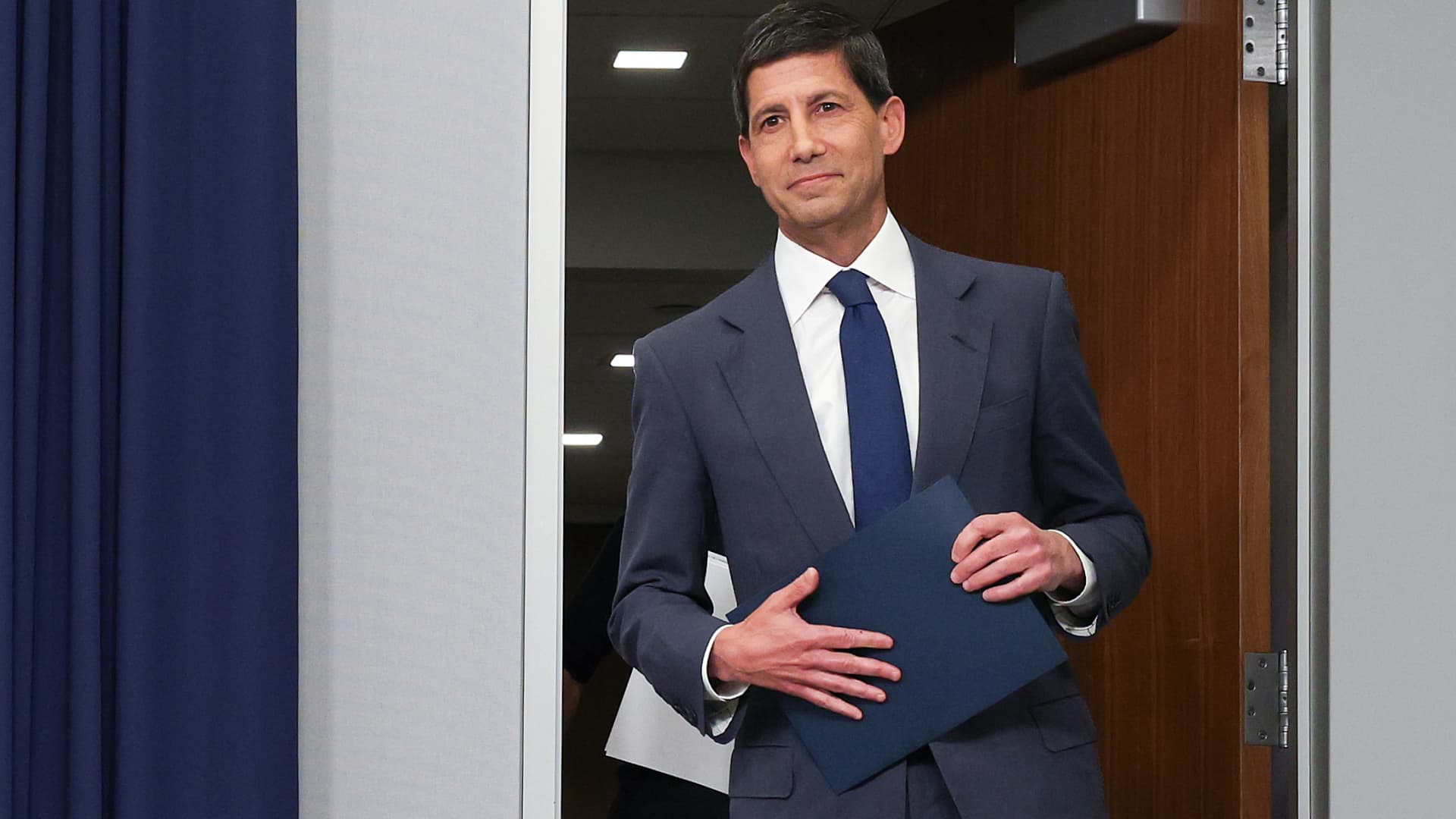
While it may have taken a while, Wall Street has finally warmed to the idea that the Federal Reserve will likely raise its benchmark interest rate as it seeks to stamp out a maddeningly persistent inflation problem. Traders have assigned a greater than 90% probability that the central bank’s Federal Open Market Committee will vote to raise the overnight funds rate by a quarter percentage point, putting the target range at 3.75%-4%, according to the CME Group’s FedWatch Futures Price Gauge. the odds were only 36%, as the market expected weak inflation readings and Chairman Kevin Warsh’s reluctance to commit the Federal Reserve to aggressive policy to keep the appetite for tighter monetary policy in check. However, Warsh’s comments during the Federal Reserve’s annual symposium in Jackson Hole, Wyoming, began to turn the tide. Another set of discouraging inflation data along with a strengthening labor market helped seal the deal. A resurgence in crude oil prices above $100 a barrel due to the conflict with Iran is increasing pressure on the central bank to act. Morgan Stanley economists reflected the broader Street sentiment. In a note on Monday, the firm said it had changed its forecast from no increases this year to two, based in part on Warsh’s public statements as well as rising oil prices, the inflationary spread of artificial intelligence and a broader shift toward expectations for increases. The company expects one this week, followed by another in December. “Failure to do so would risk loss of credibility and a potential rise in long-term risk premiums similar to the reaction after the July FOMC meeting,” wrote Michael Gapen, chief U.S. economist at Morgan Stanley. If approved, the increase would be the first since July 2023. Since then, the FOMC has lowered rates six times for a total of 175 basis points, or 1.75 percentage points. Investors will also be watching a host of other indicators on Wednesday as the committee updates its Summary of Economic Projections. The document includes updated outlooks for unemployment, inflation and gross domestic product, as well as the dot plot of individual participants’ expectations for interest rates. This grid update will include expectations for 2029 for the first time.