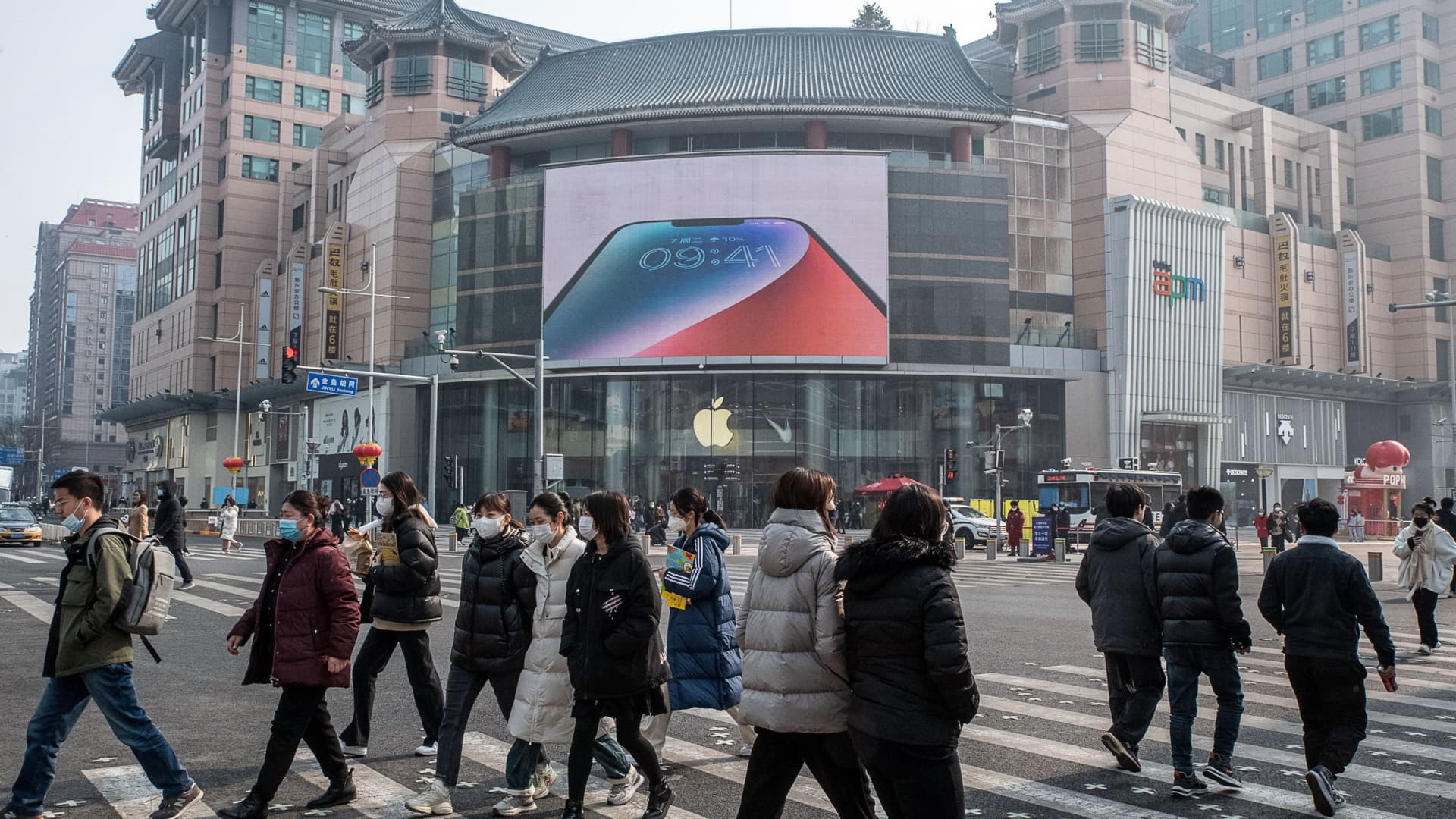
China’s investment slump deepened and retail sales growth slowed further in August, while industrial production exceeded estimates and authorities warned of a sharp imbalance between supply and demand in the country. Retail sales grew 0.4% in August from a year earlier, data from the National Statistics Office showed on Tuesday, slowing from 0.6% the previous month and missing economists’ forecast for 0.8% growth in a Reuters poll. Industrial production expanded 5.2% last month, accelerating from 4.5% growth in July and beating economists’ expectations for a 4.8% increase. During the first eight months of the year, investment in urban fixed assets, which covers investment in property and infrastructure, contracted 7.2% compared to the previous year, accentuating the 6.7% drop in the period from January to July, coinciding with analysts’ expectations. The survey-based urban unemployment rate in August rose to 5.3% from 5.2% in July. “We must be aware that the adverse impact of the external environment has intensified,” the statistics office said in a statement in English. He noted an “acute” imbalance nationwide between “strong supply and weak demand,” adding that some companies still face operational difficulties. In the statement, the NBS called for intensifying macroeconomic policy adjustments and boosting domestic demand, while promoting industrial improvements for “innovation-led” development. Growth in the world’s second-largest economy slowed to 4.3% in the second quarter, the weakest pace in more than three years, moving further away from Beijing’s annual target of 4.5% to 5%. Authorities have so far resisted more aggressive stimulus, relying instead on incremental measures to shore up growth. Export resilience has boosted the economy, as a boom in global investment in artificial intelligence lifts demand for Chinese semiconductors and technology hardware. The country’s huge oil reserves have also offered an additional buffer against rising energy prices, allowing the world’s largest crude importer to reduce imports. China’s official manufacturing purchasing managers’ index showed new orders and production expanded again in August after contracting in July. However, efforts to whet the appetite for new debt have been insufficient. China’s credit expansion in August missed forecasts by a wide margin, and government bond financing failed to offset sluggish household and corporate demand. New bank loans rose by just 60 billion yuan ($8.95 billion), versus a forecast of about 400 billion yuan and down from 590 billion yuan a year earlier, while growth in outstanding loans slowed to a record low of 4.9%. A team of economists led by Raymond Yeung, China economist at ANZ Research, said in a note earlier this month that “September could represent an important policy window to revive business confidence ahead of the October Golden Week holidays.” More fiscal support is needed, but an official interest rate cut remains unlikely, they added.