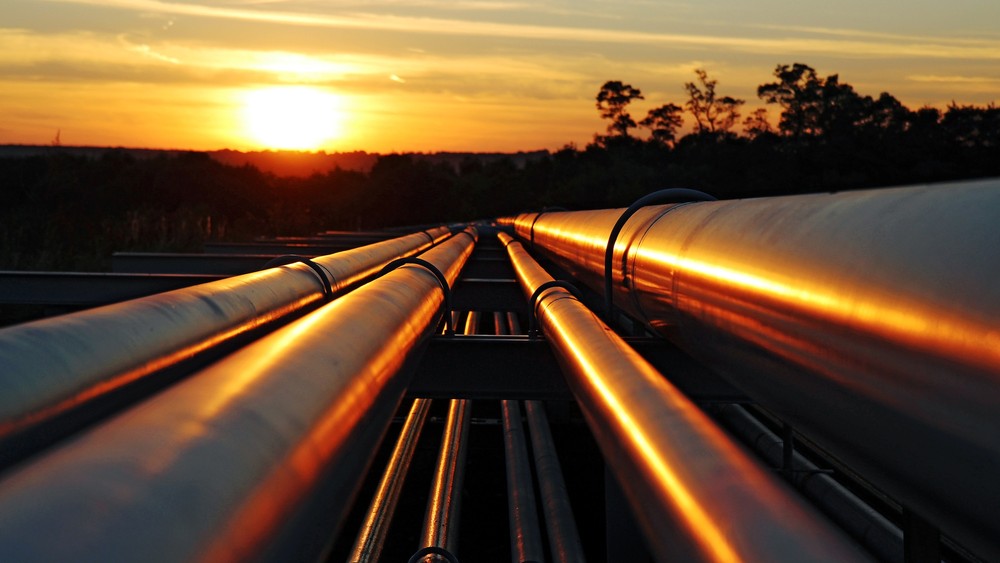
By Kurt Cobb – September 14, 2026, 9:00 am CDT Saudi Arabia’s East-West pipeline had become a critical alternative export route as tanker traffic through the Strait of Hormuz collapsed. The drone attacks damaged pumping infrastructure and forced Saudi Arabia to shut down the pipeline while it assessed and repaired the damage. The attack underscores that pipelines that bypass maritime chokepoints can become vulnerable strategic targets during war. The East-West pipeline in Saudi Arabia, which transports oil to the shores of the Red Sea, has been an important solution to Iran’s choking of tanker traffic in the Strait of Hormuz, the only outlet for oil tankers from the Persian Gulf to the open sea. The Saudi government claims that 7 million barrels per day (mbpd) of crude oil can flow west through the pipeline to the port of Yanbu, although current exports are believed to be lower (perhaps 5 mbpd) than given infrastructure constraints. But now that pipeline has been bombed and taken out of service. The Saudis say the pipeline has been closed “as a precautionary measure.” But that statement seems to downplay what happened. Satellite images show that the attacks damaged at least two pumping stations. Repairing or replacing these stations can be more complicated than simply replacing a damaged section of pipe, since the pipe is mostly above ground. And of course, once repaired, the pipeline could simply be attacked again. The 1,200 kilometer length of the pipeline is not easy to defend. The world’s oil-hungry importers have been gushing about how much oil has been pouring out of the Persian Gulf right under the nose of a menacing Iranian Revolutionary Guard Corps (IRGC), which patrols the shores of the Strait of Hormuz with missiles and drones. But even these surreptitious transits have transported much lower volumes than those transported before the war began, only 7 mbpd compared to 20 mbpd. The East-West pipeline became a crucial source of oil for the world after the Iranians closed the Strait of Hormuz. Now, a missile and drone attack has put to rest the idea that pipelines are, in fact, a genuine solution to the current and future closure of the Strait of Hormuz. Given how obvious it is that pipelines are easy to attack with drones and missiles, it has been disconcerting to read all the talk about building new pipelines in and around the Persian Gulf region to reduce dependence on the Strait of Hormuz. Only a simpleton would believe that these pipelines would somehow escape attack during a conflict in the region. The pipeline “solution” perfectly demonstrates 1) how one-dimensional much of the media coverage of the US-Israel war with Iran has been and 2) how one-dimensional strategic thinking on the part of the United States has been. All any observer needs to do is look at the sky and discover that there is a second and third dimension, making it possible for aerial weapons to come from far away to destroy any pipeline. It is difficult not to ridicule those who did not make this simple observation before devoting their fingers or their writing mouth to such an absurd solution to the closure of the Strait of Hormuz as oil pipelines. By Kurt Cobb via Resource Insights More top readings from Oilprice.com Download the free Oilprice app today Return to home page