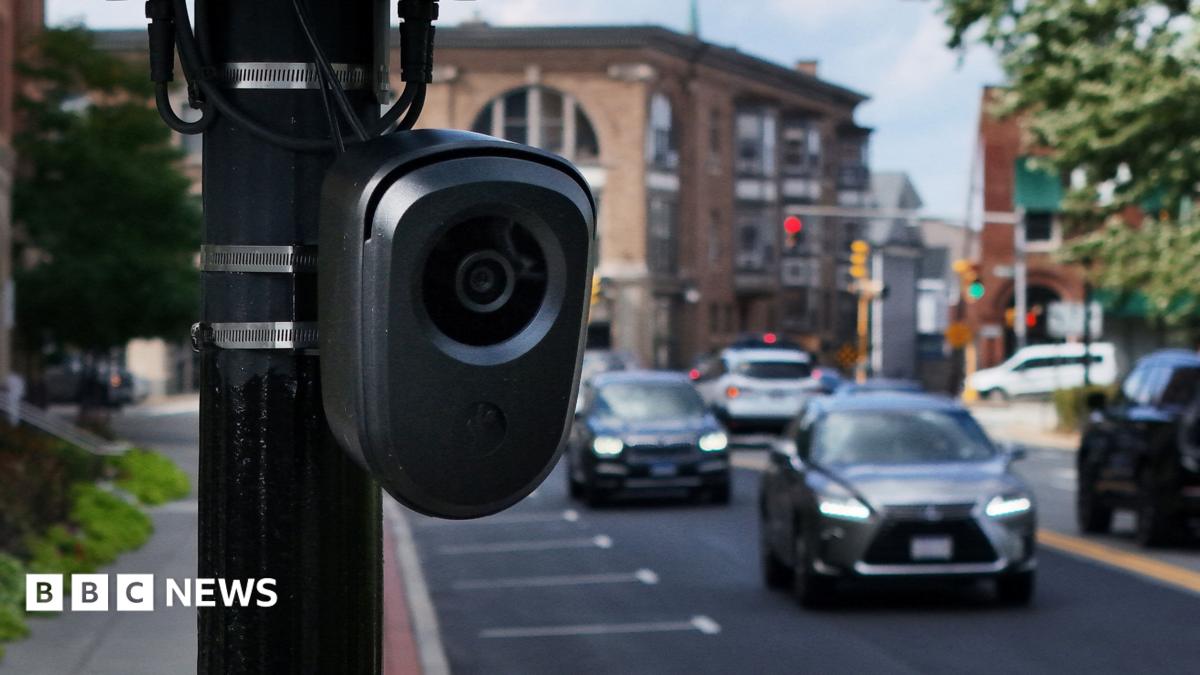
There have been recent incidents of privacy violations that have garnered national attention. Last week, a police officer in Kentucky was accused of using the Flock system to track his ex-girlfriend, who filed a protective order, more than 2,000 times. Was caught using Flock’s new AI-powered mandatory auditing tool that detects suspicious usage. Others are concerned that Flock is a way for police to avoid warrants, which are typically required to search a person’s property or tap their phone. In 2025, a Johnson County, Texas, detective searched more than 80,000 images to locate a woman suspected of having an abortion. He had no court order. CCTV cameras, number plate readers and surveillance are not new. But the scale of Flock’s network and the integration of AI into modern surveillance technology is a recent development and has made Flock a household name. Americans who would otherwise ignore the cameras in their cities have begun to realize and tune into the capabilities of the technology around them. With AI, unlike older license plate readers, law enforcement can search surveillance images with a series of words like “Caucasian male, blue shirt,” not just an image of a license plate. One thing Flock doesn’t use is facial recognition. But that doesn’t mean police departments are avoiding that technology. Critics say it violates human rights, is susceptible to misidentifying innocent people and may be biased against minorities. The BBC has received documents revealing that the Harris County Sheriff’s Office, which covers Houston, uses another facial recognition technology, Clearview AI. The tool includes a database of more than 70 billion images, many of which were pulled from public Internet sources, including social networks. Documents, including purchase orders and a licensing agreement, show the county’s Clearview AI contract currently runs until March 2027. Several European countries have slapped the company with data protection fines, including a £7.5 million fine from the UK Information Commissioner. The use of this facial recognition technology by the Harris County Sheriff’s Office has not been reported before. The office did not respond to requests for comment.